Service 06 of 7 · Phoenix, AZ
Bathroom Tile and Flooring in Phoenix
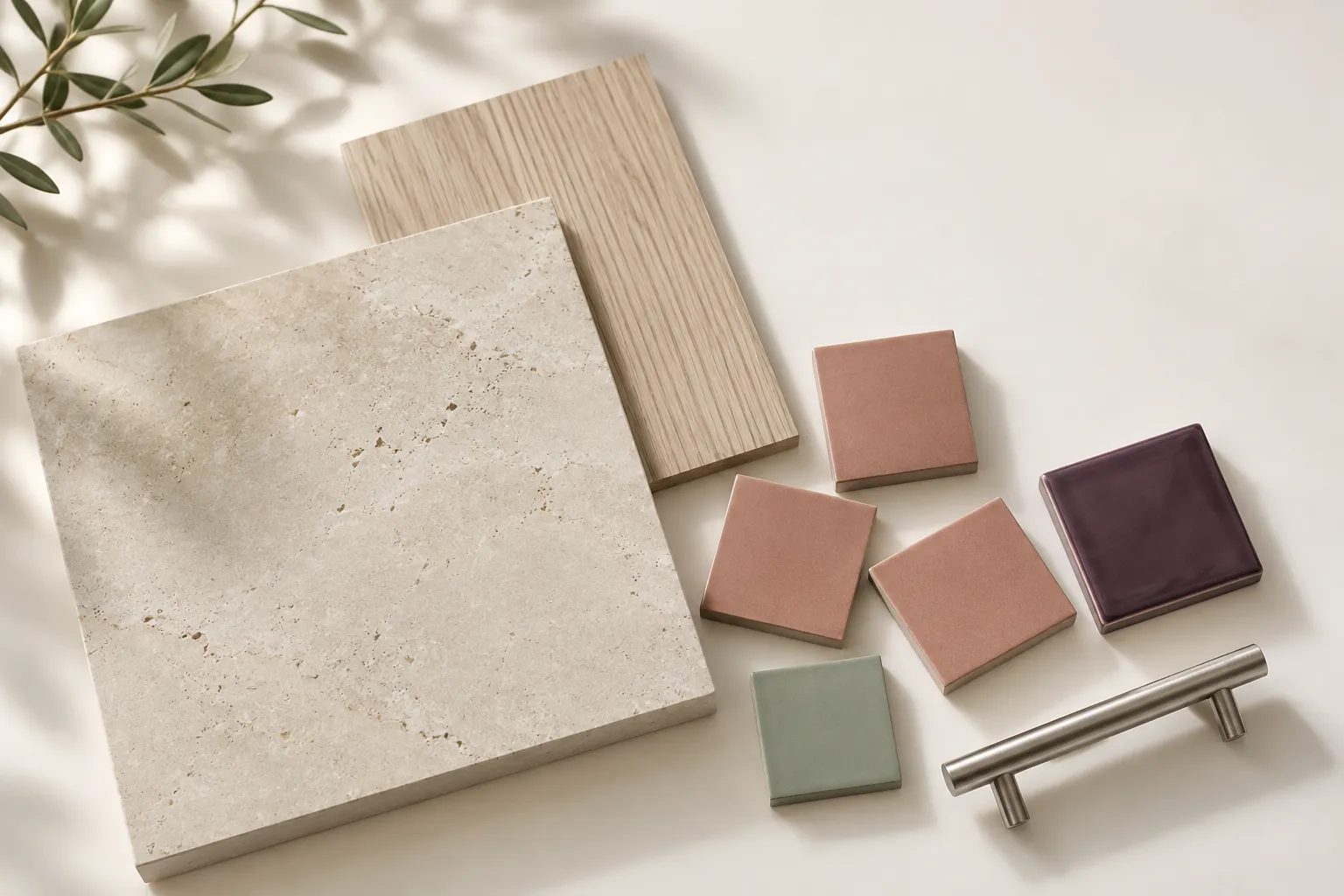
Tile is the part of a bathroom that shows every mistake, from a hollow edge to a grout line that wanders. This page covers what tile and flooring cost here, what belongs behind a shower wall, and how to choose a floor that survives hard water and desert dust.
Last updated
01Costs
What does bathroom tile and flooring cost in Phoenix?
Bathroom flooring materials run $0.50 to $90 per square foot according to a national cost guide, and porcelain tile alone runs $0.50 to $15 per square foot. Those are material prices, and installation, setting materials and floor preparation come on top. Separate lines for the tile, the setting material and the labor make bids easier to compare. A porcelain floor on a sound subfloor sits near the bottom. A natural stone floor that needs a mortar bed, backer board and sealing sits near the top. For context, a national cost guide puts a whole bathroom remodel at around $70 to $250 per square foot. Published market ranges, not a quote: the final price is set after an on-site assessment.
02Costs
Does a shower cost more to tile than a floor?
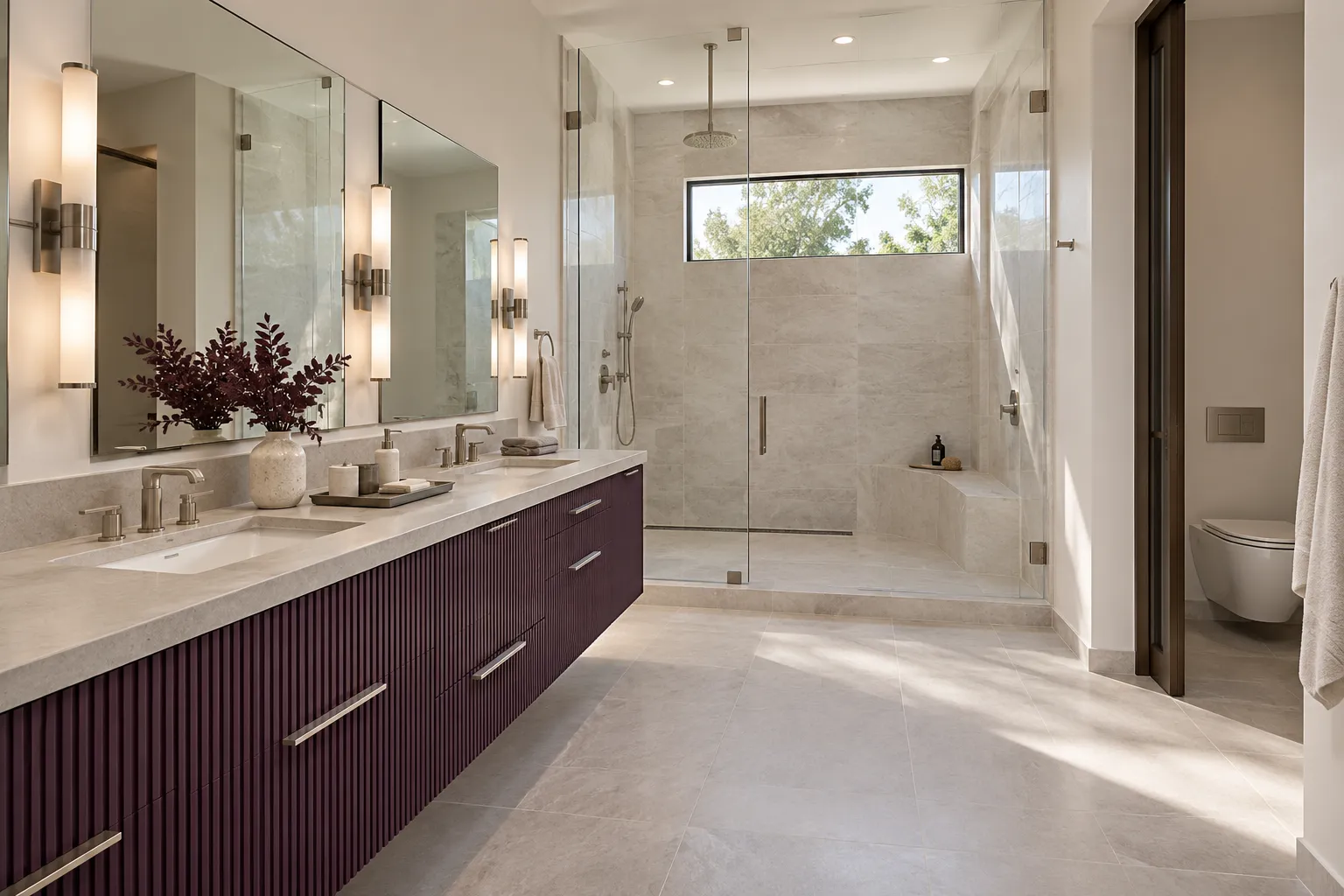
Usually, a shower wall costs more per square foot than an open floor because the prep is different and the cuts are smaller. A shower needs a sloped pan, a curb or a linear drain, waterproofing that turns up the wall, and inside corners that are taped and sealed before a single tile goes on. Add the niches, the valve cutout, the bench and the glass line, and the labor climbs. A floor is flat and open by comparison. The other cost is waste. A shower with 3 different tile fields produces more offcuts than a plain floor, and a tile that is discontinued mid job can force a change order. A separate line for the shower prep makes the bid easier to read.
03Showers
What goes behind the tile in a Phoenix shower?
A waterproof membrane over a cement or foam backer board, never drywall and never green board alone. Green board resists moisture in the air. It does not survive water running behind a tile. The assembly that lasts here is a backer board screwed to the studs, seams taped and mortared, then a liquid applied or sheet membrane over the whole wet area, lapping into the pan and up past the shower head. The pan gets its own pre slope under the liner so water that gets through the grout can still reach the drain. In a house with a slab floor, the drain connection is set in concrete, so the pan has to be planned before demolition starts.
04Tile
Which tile holds up to Phoenix hard water?
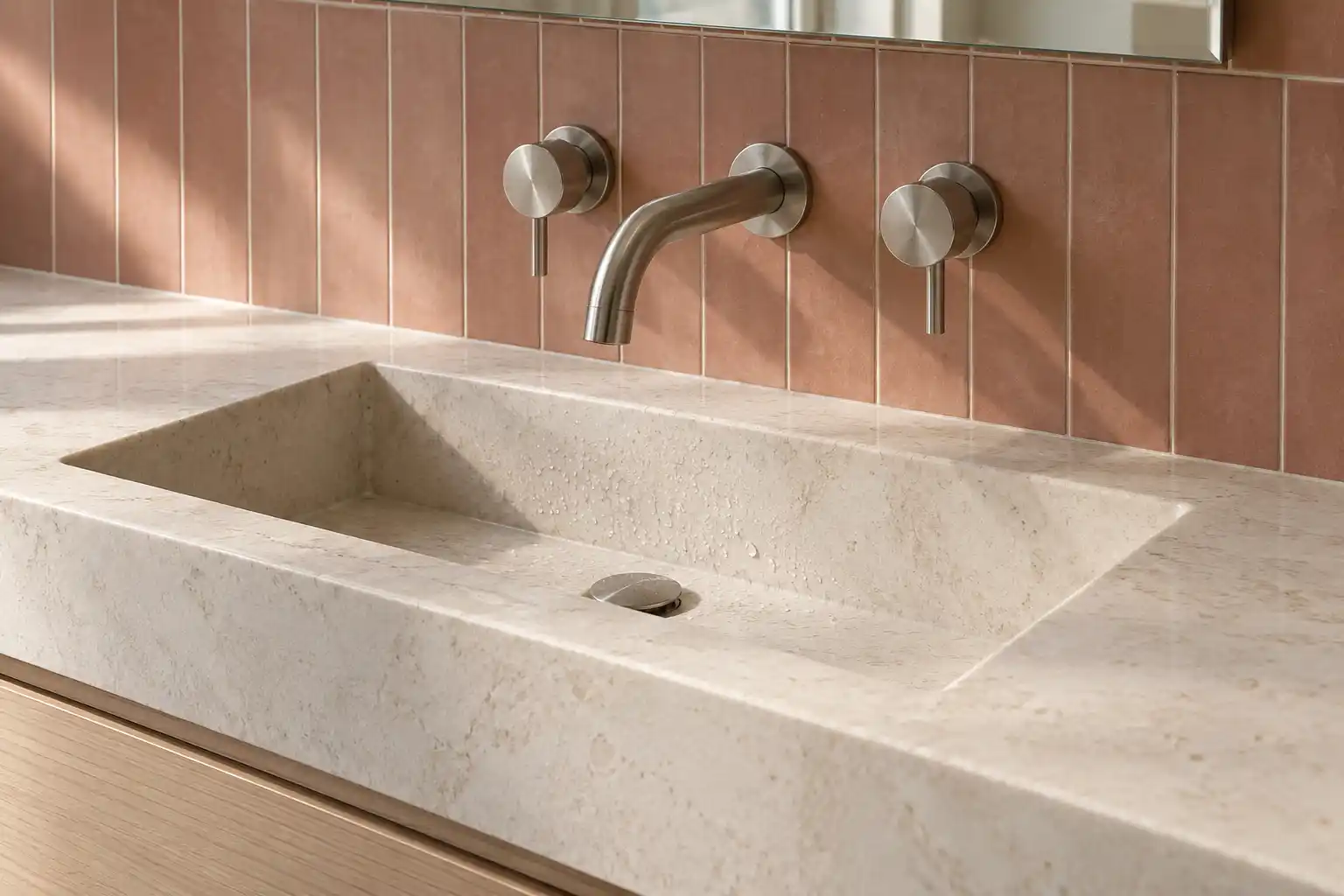
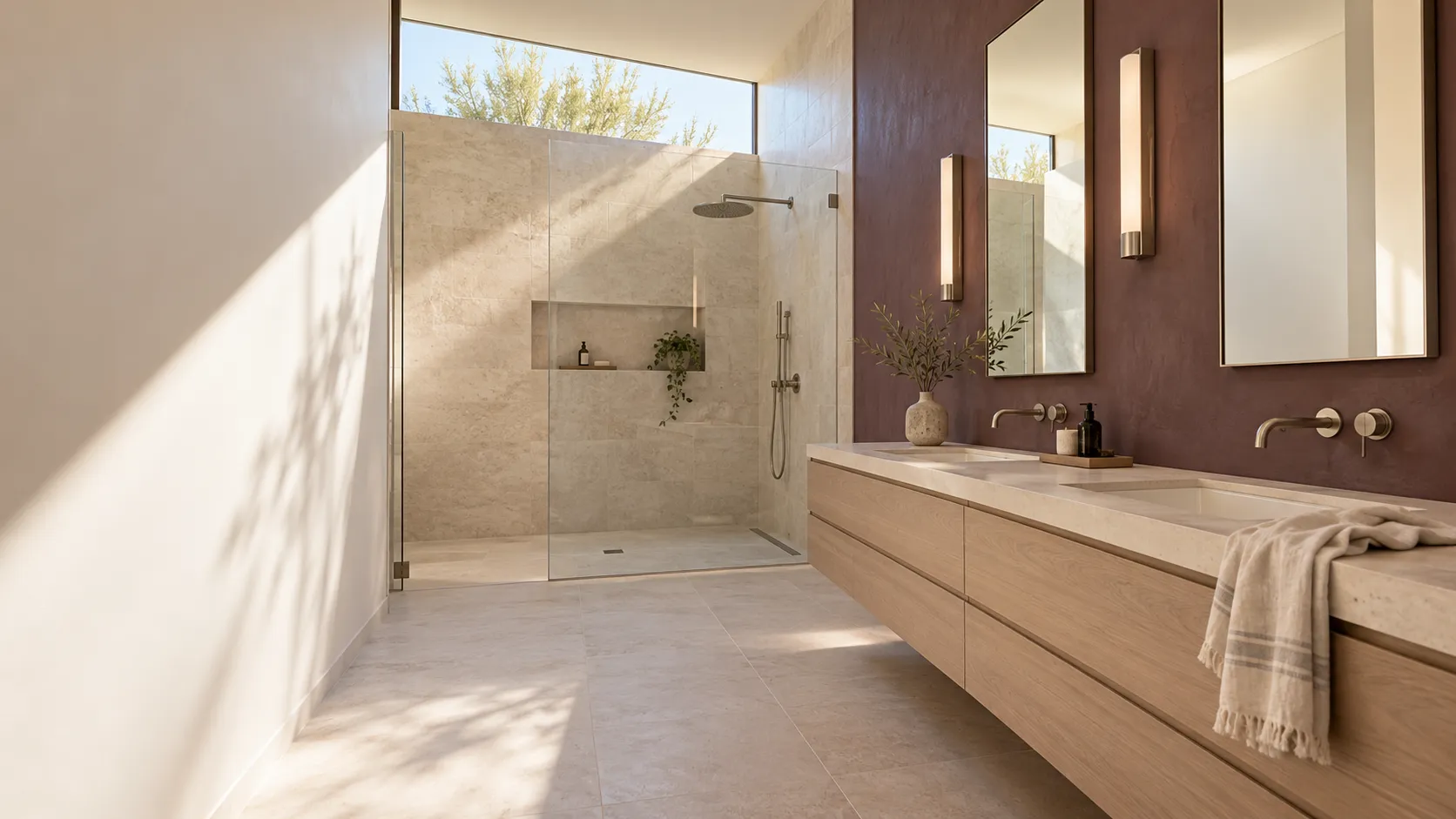
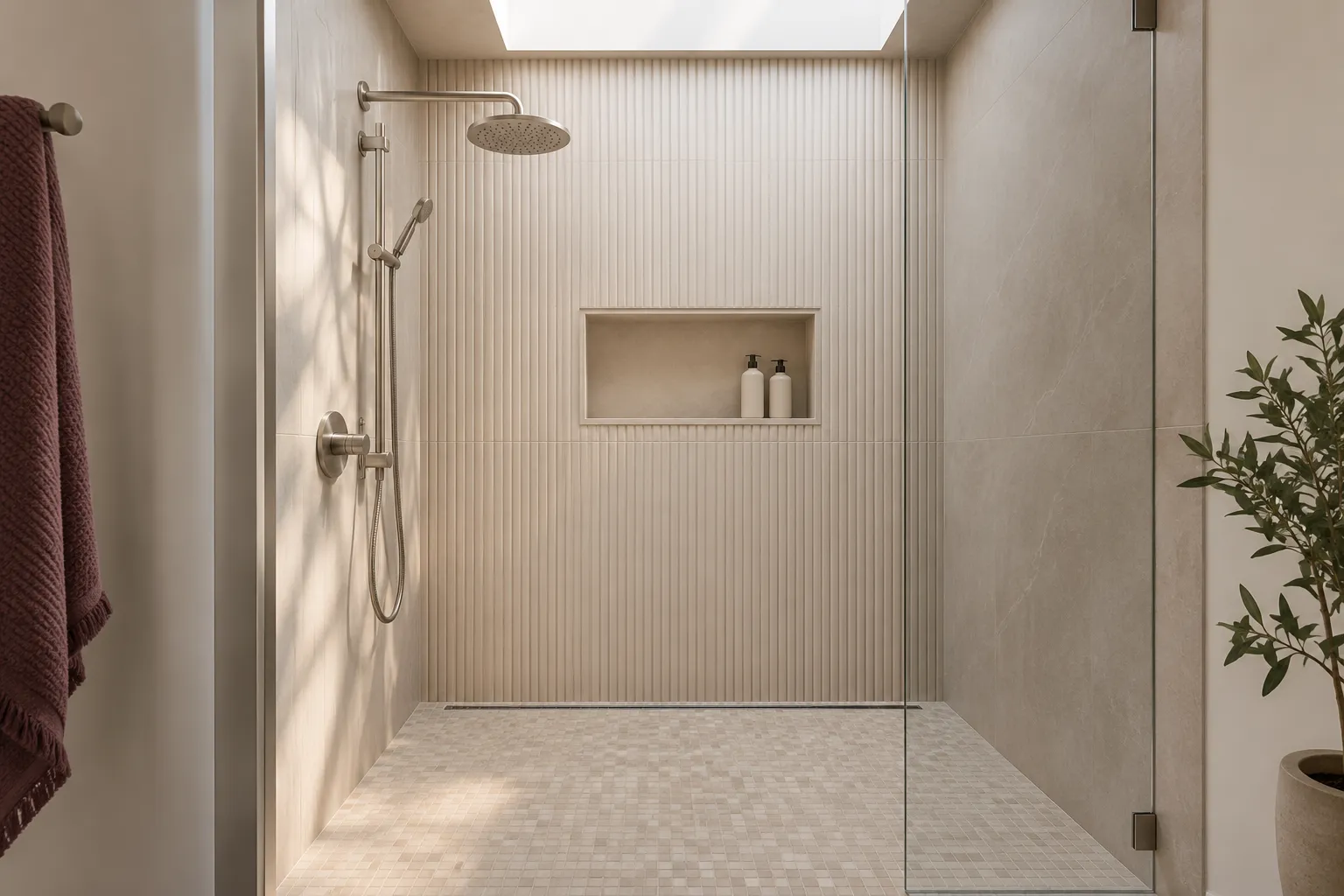
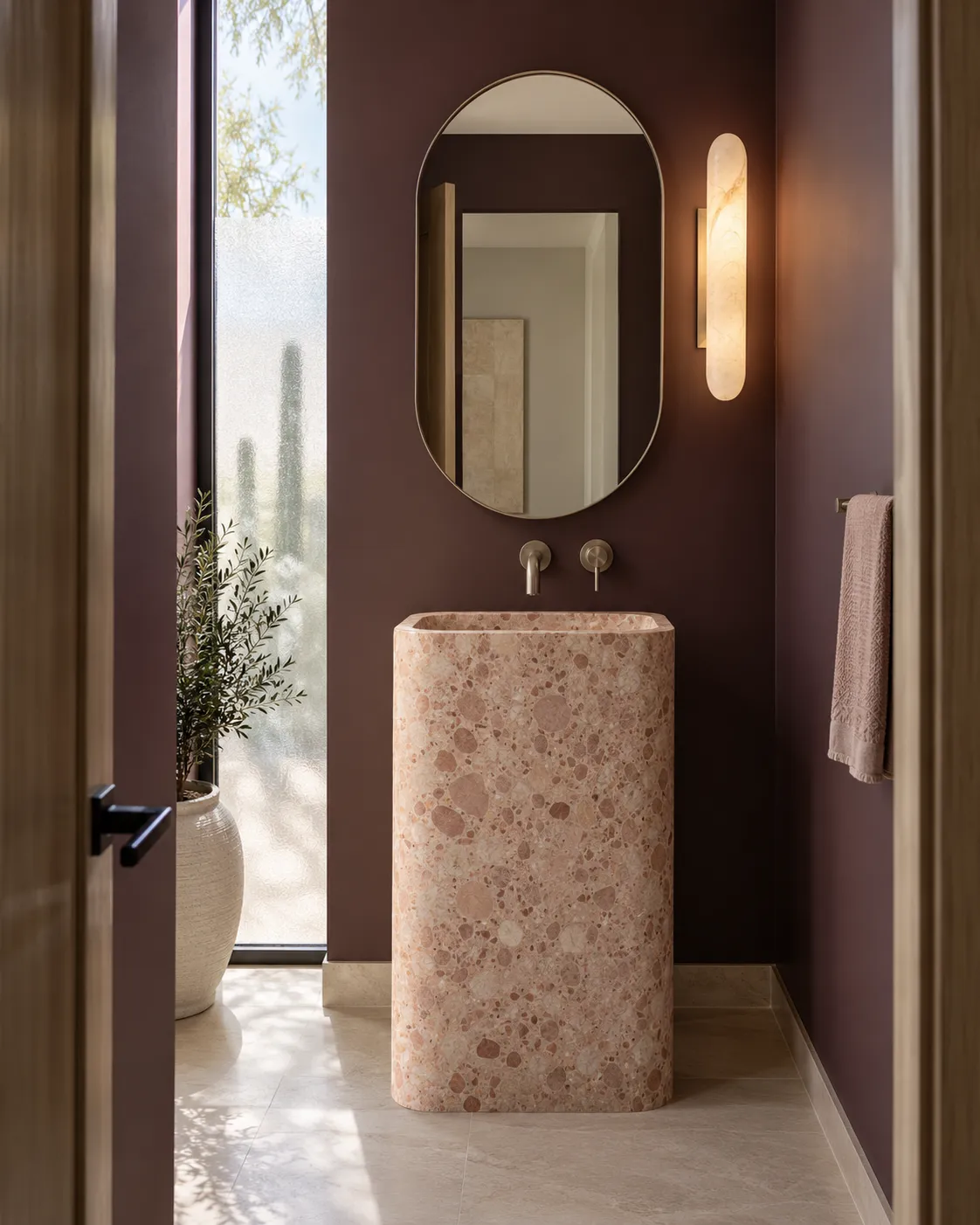
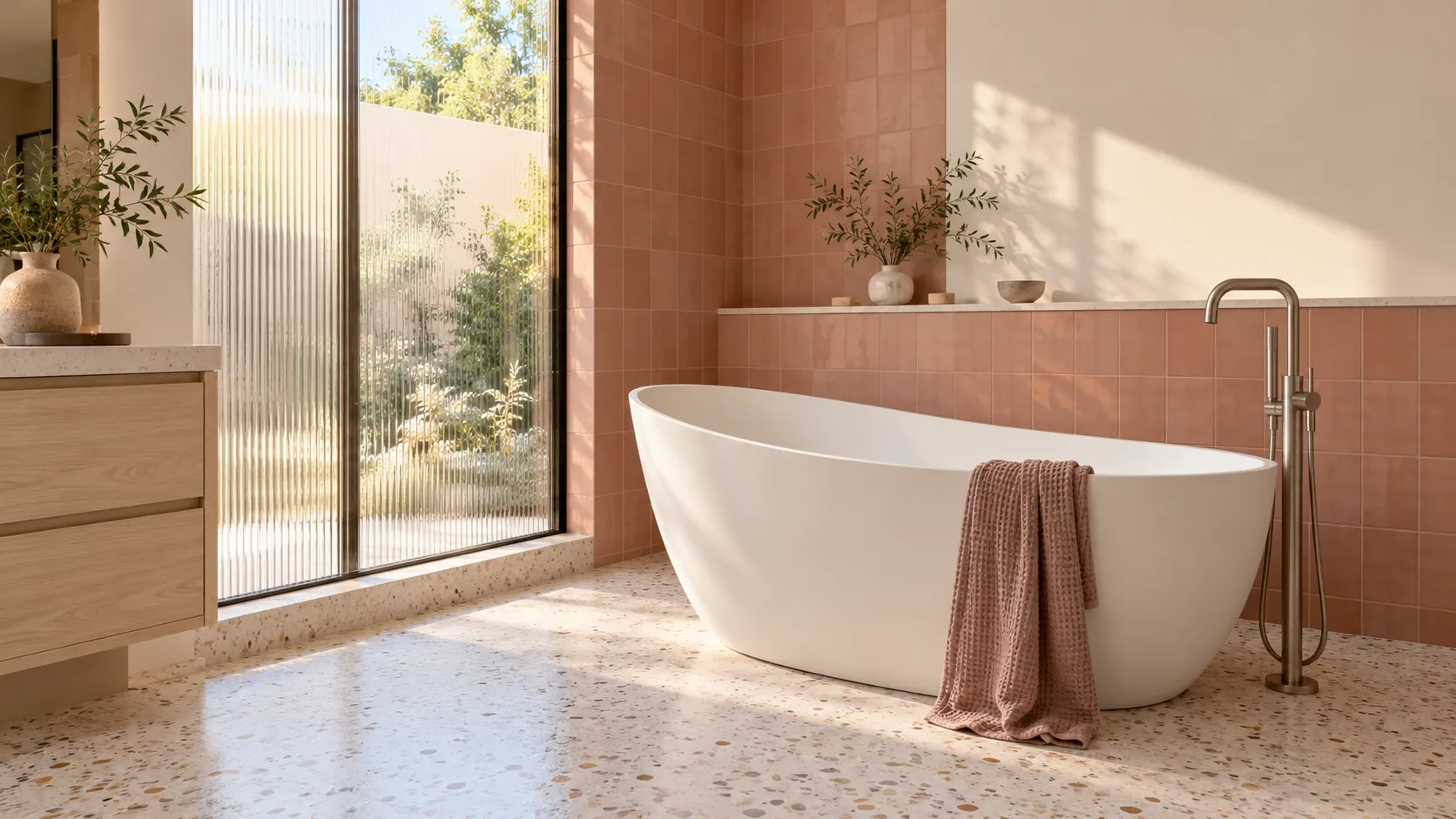
Porcelain holds up well because it is dense, it does not absorb much water, and mineral film sits on the surface instead of soaking in. Phoenix water leaves calcium and magnesium deposits, and those show first on dark tile, polished stone and any surface with a sheen. Matte porcelain hides the film better than polished porcelain. Natural stone is the risk. Marble, travertine and limestone etch when they meet an acidic cleaner, and they need sealing. If you want stone, use it on a wall, not on a shower floor where cleaners land every week. A honed finish shows fewer spots than a polished one. A water softener changes the picture, and so does a whole house filter, but neither removes the need to dry the walls.
05Tile
What tile works on a bathroom floor?
A matte, textured tile with some grip, in a format small enough that the grout lines give traction. Polished tile on a bathroom floor is a slip hazard the moment it is wet, and a bathroom floor is wet most mornings. Mosaic sheets at 2 inches or less are easy to slope to a drain and easy to grip. Larger planks look calm in a big bathroom but need a texture if they go near a shower. Grout width is part of the choice. Wider grout lines add grip and hide lippage, and a sanded or grip additive grout helps. A 1/16 inch joint looks tight but leaves almost no room for sand and grit, so it is harder to keep clean. Check the tile's slip rating before you fall in love with the color.
06Tile
Why does grout stain or crack here?
Grout cracks when the surface under it moves, and it stains when water, soap and desert dust settle into a porous joint. Movement comes from a wood subfloor that flexes, from a missing backer board, or from a house that shifts with the summer heat. The fix is prep, not a stronger grout. A stiff floor, a proper backer and a flexible sealant at the room's corners and at the wall joints prevent most of it. Staining is a different problem. Cement grout is porous. An epoxy grout resists stains better in a shower, and a penetrating sealer on cement grout needs redoing from time to time. Dust from open windows settles into damp grout and sets.
07Tile
Can you tile over existing tile?
Sometimes, and only when the old tile is sound and stuck tight, the floor is flat, and the added height does not break the toilet flange, the door or the baseboard. Tile over tile adds the thickness of the new tile plus the mortar, which is often enough to trap a door or leave a toilet rocking. The bond also depends on a scarified, cleaned surface and a modified thin set made for the job. In a shower, the answer is usually no. A second layer hides the waterproofing and adds weight to a wall that may already be compromised. Remove the old tile, inspect what is behind it, and fix the substrate before the new tile goes down. Plan on a transition strip at the door if the new floor sits higher than the hall.
08Timeline
How long does a tile job take?
A bathroom floor is a shorter job than a full shower plus floor, and cure time sits between the steps. Demolition and substrate repair come first, waterproofing needs to dry, tile gets set one field at a time, and grout needs its own window before fixtures go back. Rushed grout is a common cause of a haze that never comes off. Add time for a tile that needs a layout with many cuts, a niche, or a pattern like herringbone. Add time again if the floor is out of level and needs a pour. The schedule should list the dry days, not just the working days. The schedule shows how many of those days the room has to stay empty.
09Tile
How do you clean tile and grout with hard water?
Use a neutral pH cleaner for routine work, a squeegee on the shower walls after every use, and a mild acid cleaner only on porcelain or ceramic when film builds up. Vinegar is the internet answer and a bad one for natural stone, because the acid etches marble, travertine and limestone. On those surfaces use a stone specific cleaner and reseal on schedule. For cement grout, a soft brush and a dedicated grout cleaner lift most of the film, and a penetrating sealer slows the next round. Skip abrasive powders. They dull the tile and open the grout. A towel on the floor after a shower helps. Keep a spray bottle of neutral cleaner in the shower and use it while the walls are still wet.
Bath Studio
Build a bathroom. Change it in one tap.
A design preview, not a price. Pick a wall color, tile, floor, bath or shower, vanity and light, start from a look or shuffle, then send your picks with your project.
Start from a look
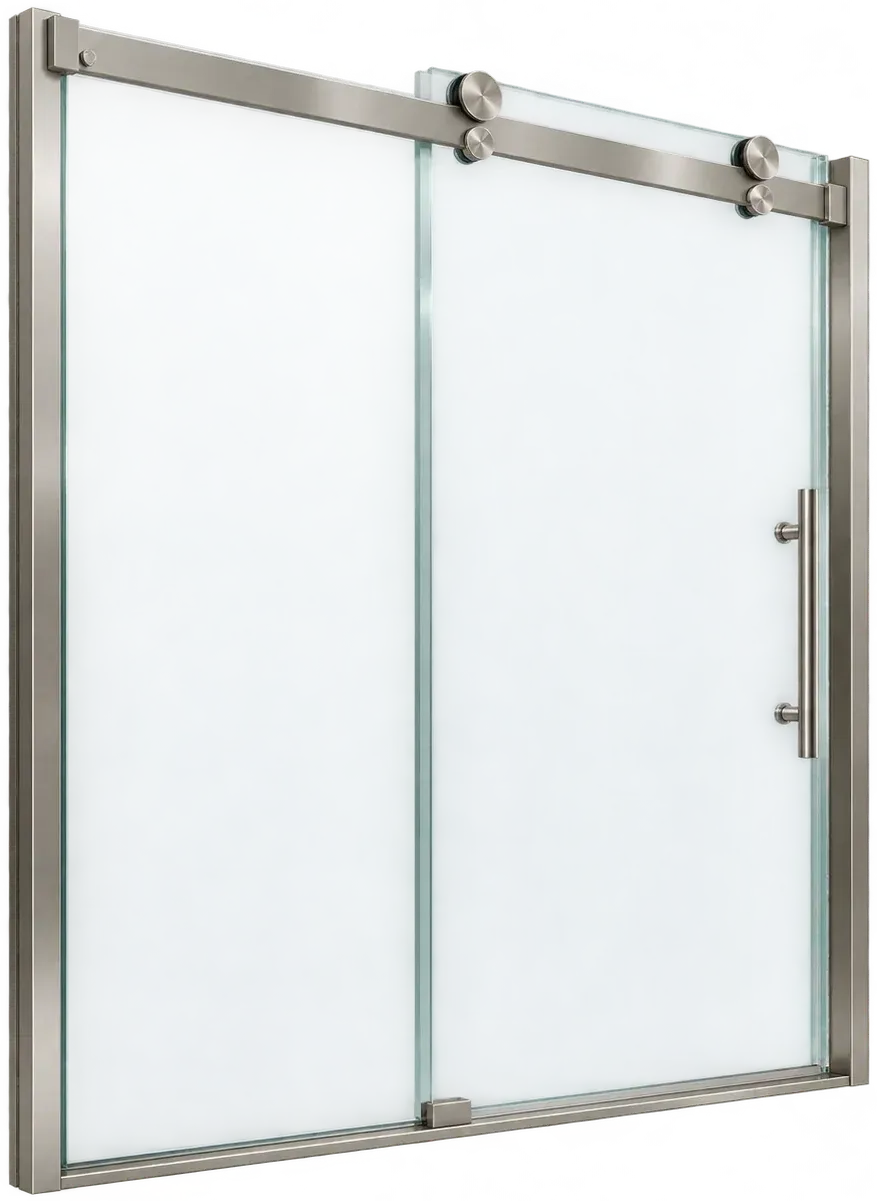
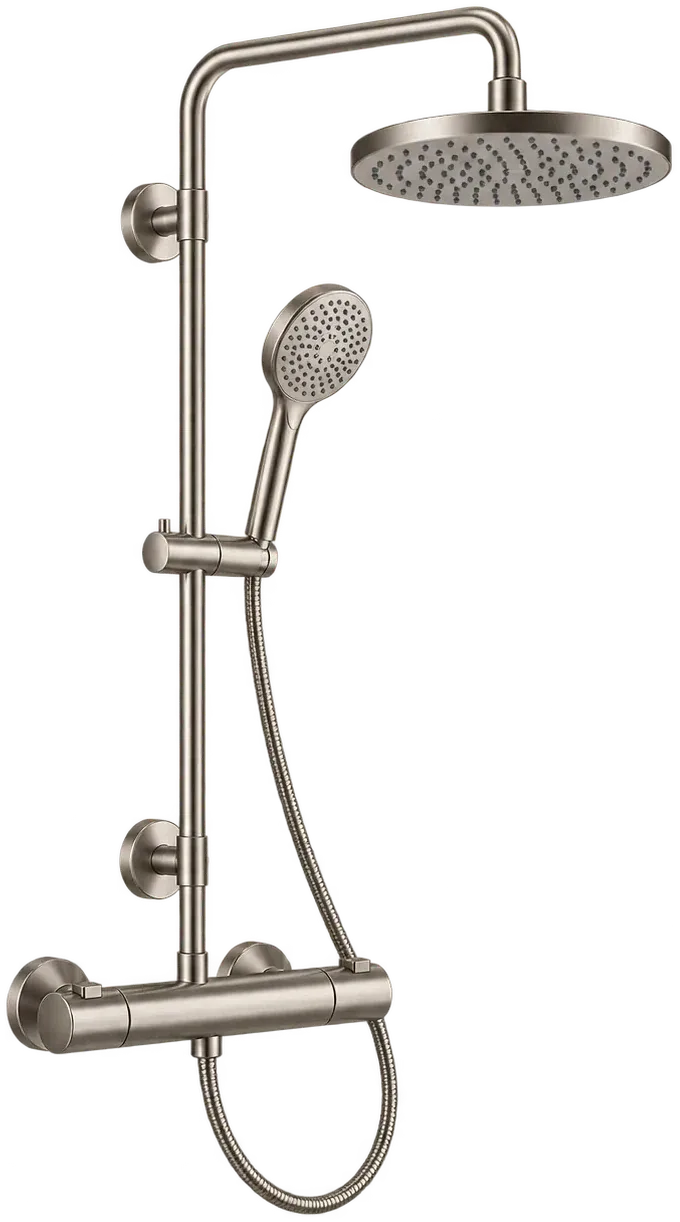
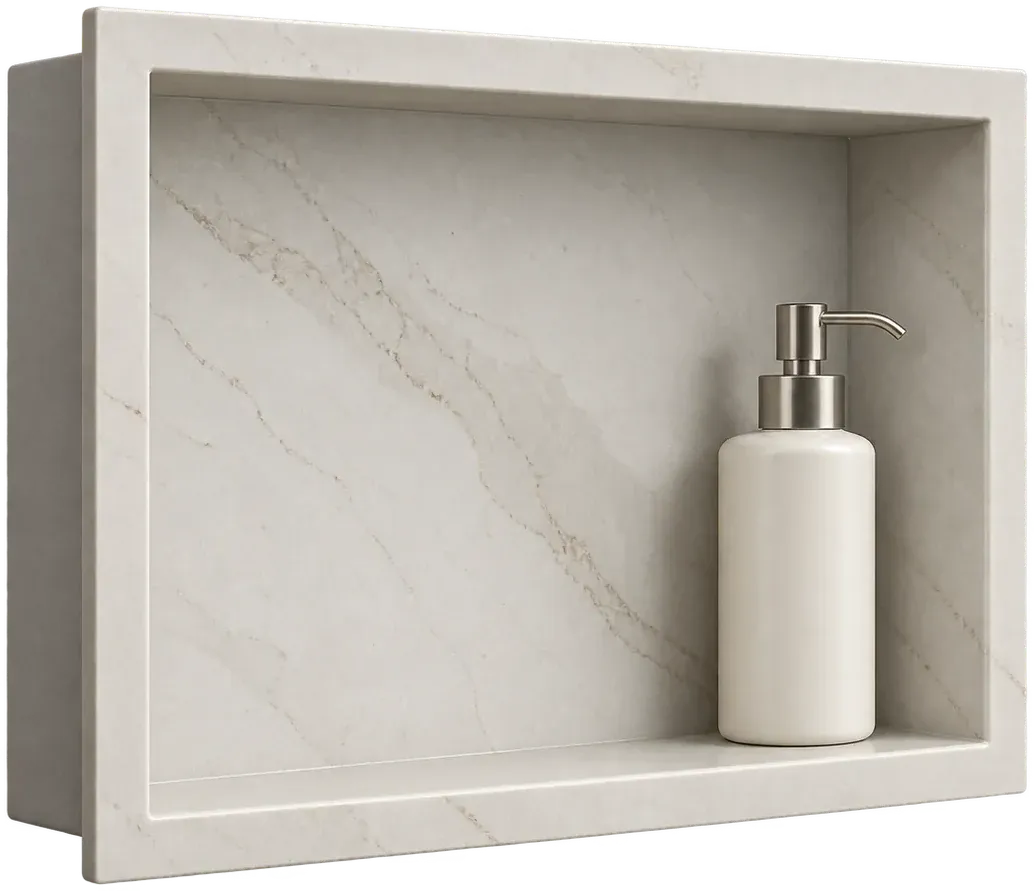
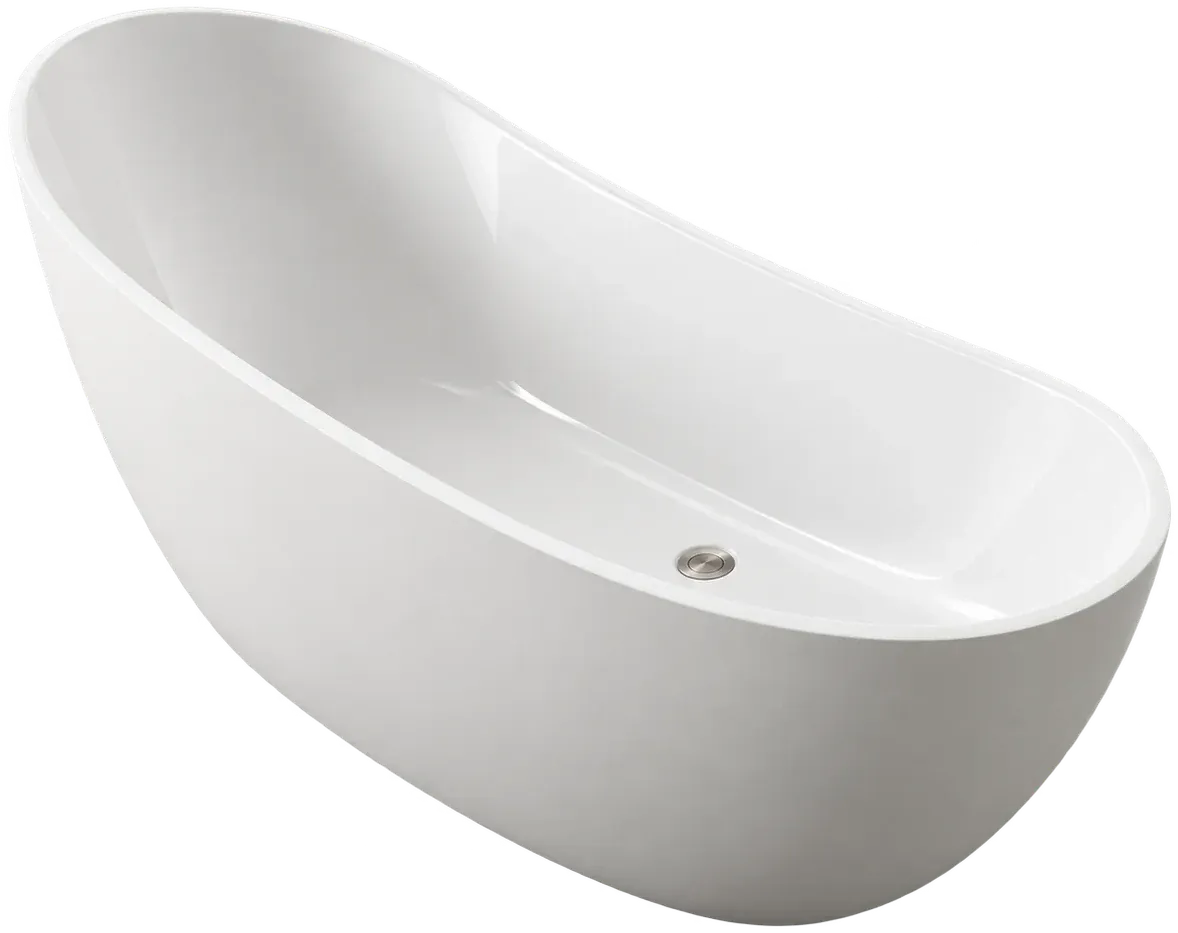
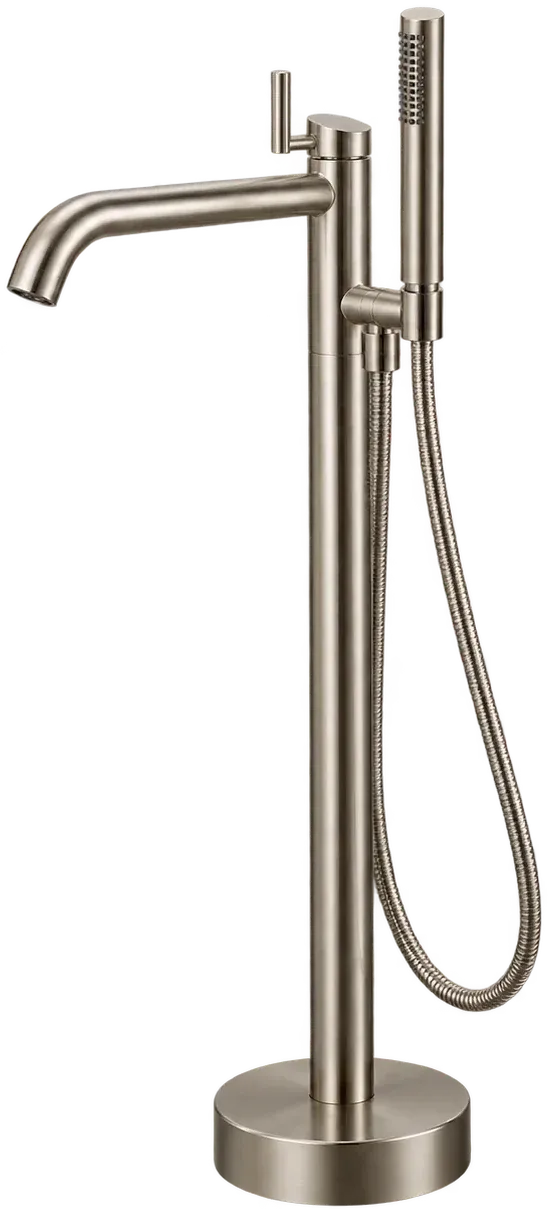
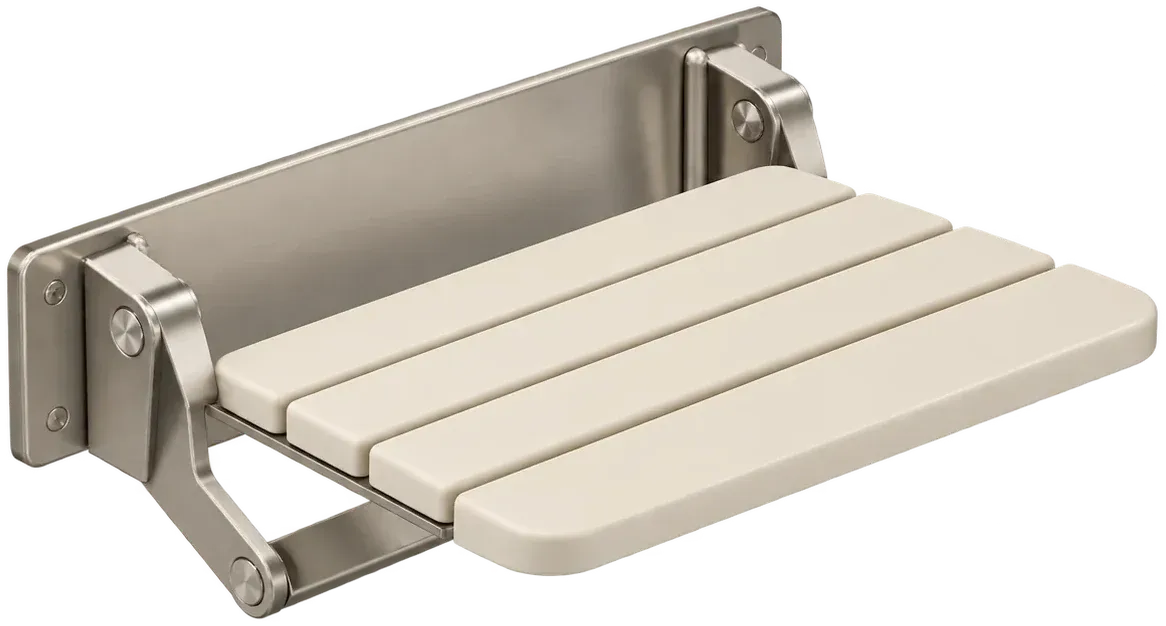
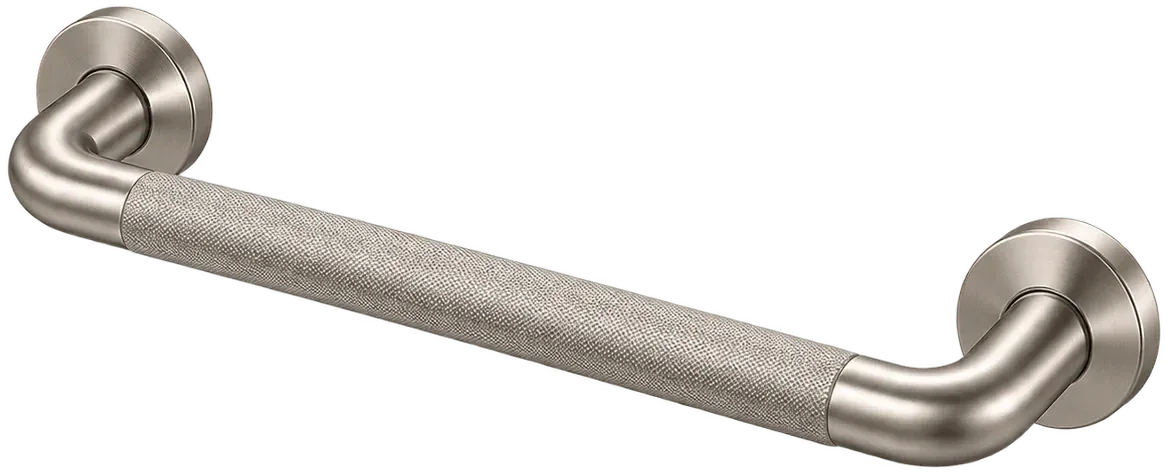
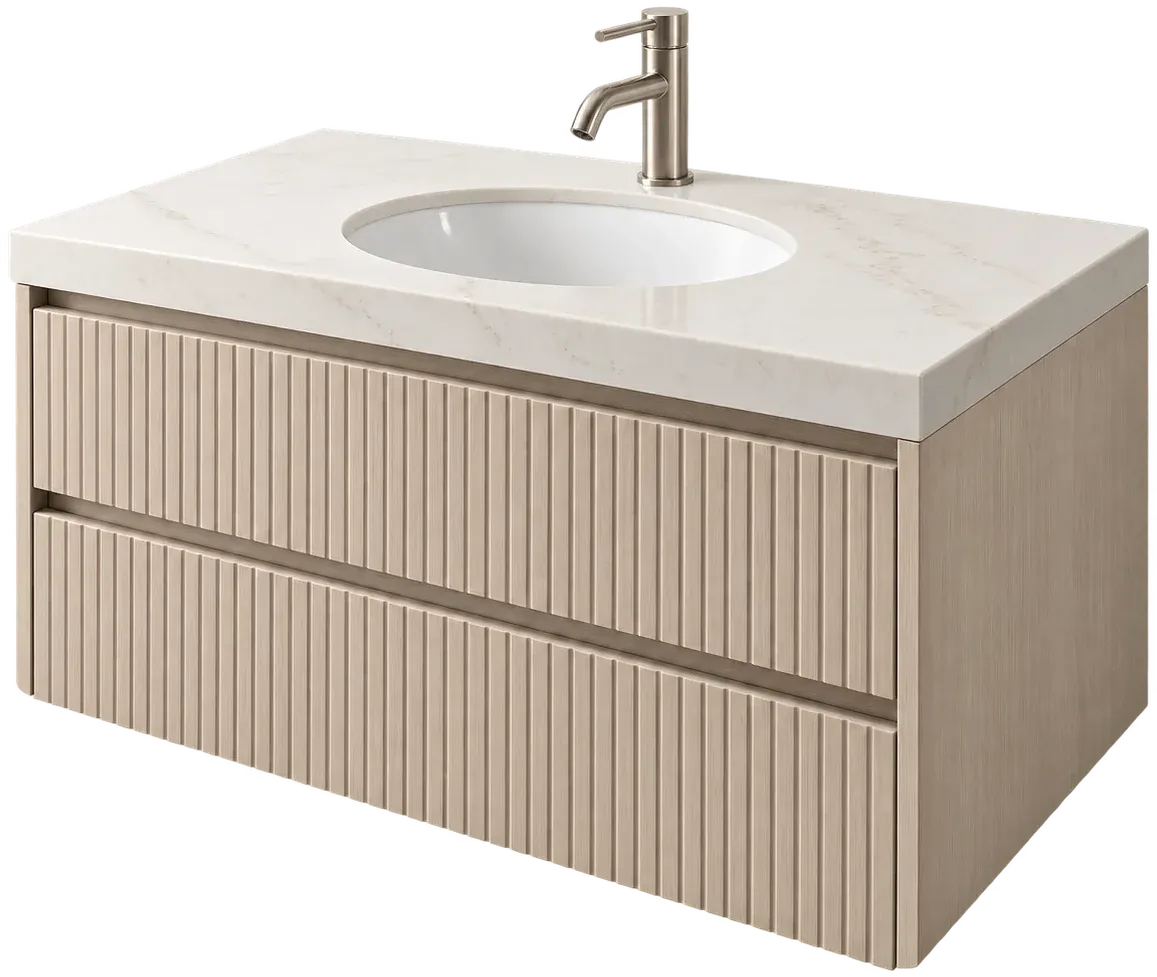
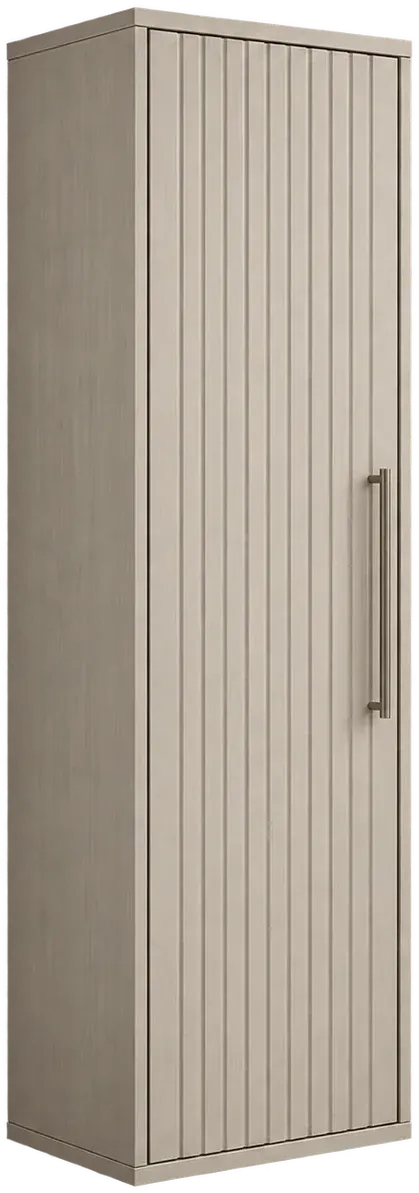
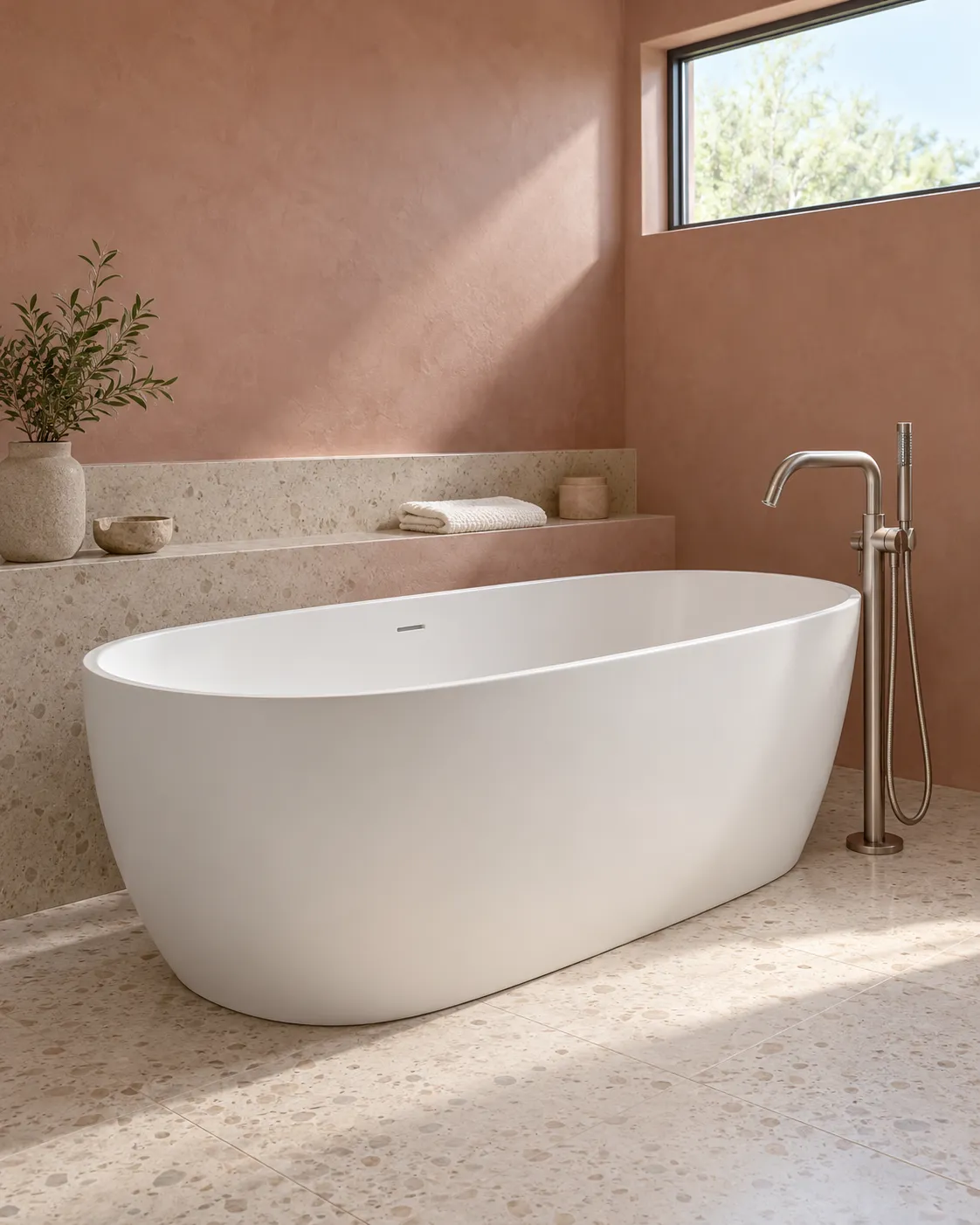
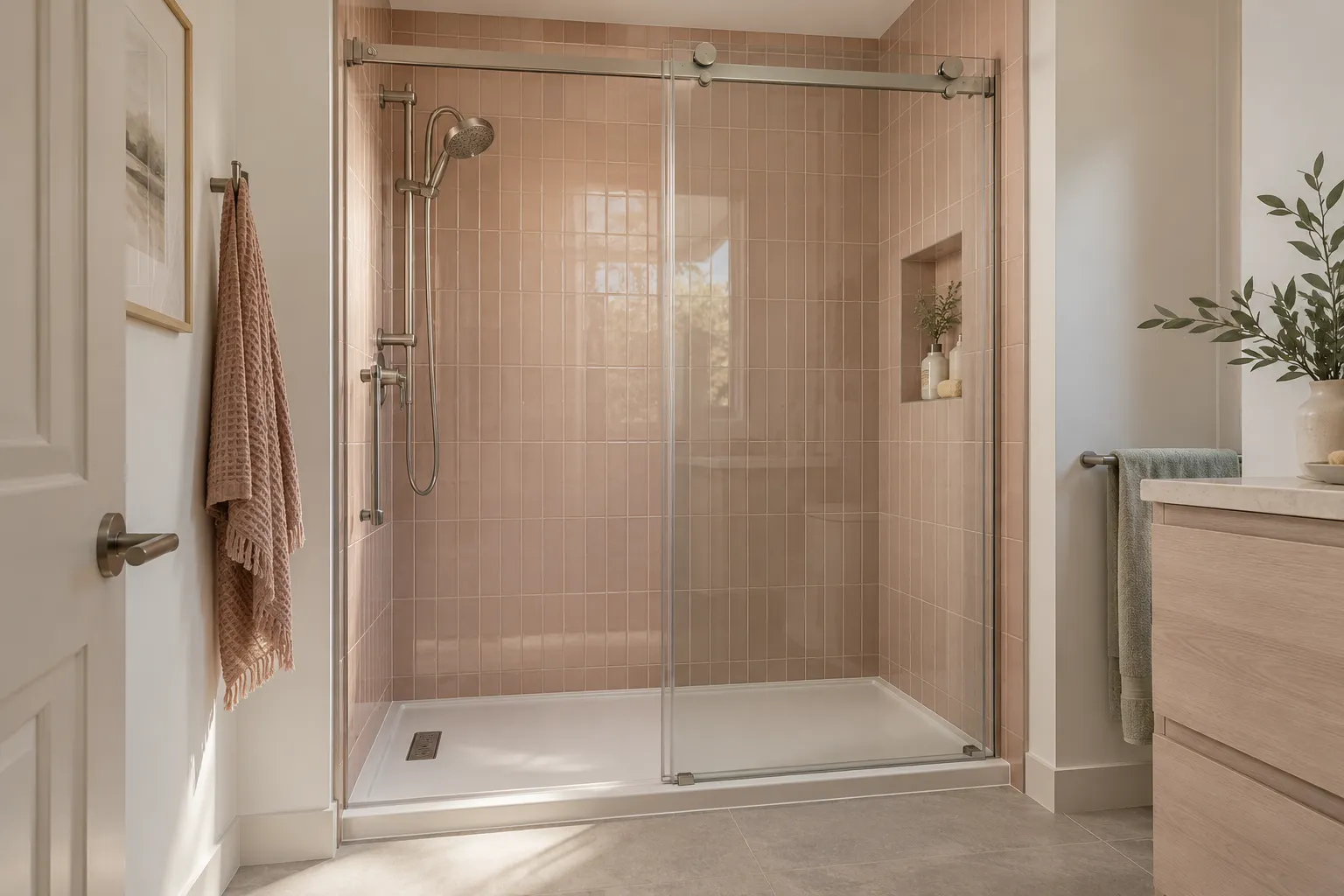
Wall color: Ivory mineral · Shower wall tile: Large slab · Floor: Honed stone · Bath or shower: Glass shower · Vanity: Vanity and tower · Light: Morning sun
01Wall colorIvory mineral
02Shower wall tileLarge slab
03FloorHoned stone
04Bath or showerGlass shower
05VanityVanity and tower
06LightMorning sun
104 questions
Questions people ask
Still have a question? Call (747) 243-2089 and describe the bathroom.
01Is shower tile work available in Mesa and Scottsdale?
Shower tile work is available in Mesa and Scottsdale. We serve Phoenix, including Arcadia, Biltmore, Desert Ridge and Ahwatukee, and the towns around it, including Mesa, Scottsdale, Paradise Valley, Tempe and Chandler. Mesa, Scottsdale, Paradise Valley, Tempe and Chandler each have their own permit desk and inspection schedule, which affects when tile work can start. The tile and prep methods do not change across the metro.
02What is the best tile for a rental or flip?
A matte porcelain in a mid tone, laid in a simple grid, holds up and hides wear. It costs less than stone, it does not need sealing, and a future tenant can clean it with a neutral product. Avoid very dark tile, which shows every water spot, and very light grout, which shows every bit of desert dust.
03Do I need to seal porcelain tile?
Porcelain is dense enough that it does not need a sealer, and a sealer on the tile surface just leaves a film. The grout is the part that needs attention. Cement grout benefits from a penetrating sealer, reapplied from time to time. Epoxy grout does not need sealing at all, which is why it costs more up front.
04Can tile be installed over a cracked slab?
Only after the crack is addressed. A crack that has stopped moving can be bridged with an uncoupling membrane, which lets the tile float over the slab instead of cracking with it. An active crack needs an engineer or a repair before tile goes down. Tile is rigid. It will follow whatever the floor does, and a membrane is cheap compared with a second installation.
11Keep reading
Related
- Shower remodeling: for the waterproofing and pan work behind a tile shower.
- Bathroom remodeling: when tile is one part of a full room rebuild.
- Bathroom vanity installation: because the floor and cabinet order matters.
- Bathroom remodel cost: for published ranges across every scope.
- All services: to see the other remodeling scopes.
- Contact: to ask a question about a tile layout.