Service 04 of 7 · Phoenix, AZ
Bathtub Replacement in Phoenix, AZ
A tub replacement looks like a swap and behaves like a small remodel. The old tub comes out, the drain and the valve get inspected, and the surround usually goes with it. This page covers the order, the published range and the choices that decide whether the new tub fits.
Last updated
01Bathtubs
What does a bathtub replacement involve?
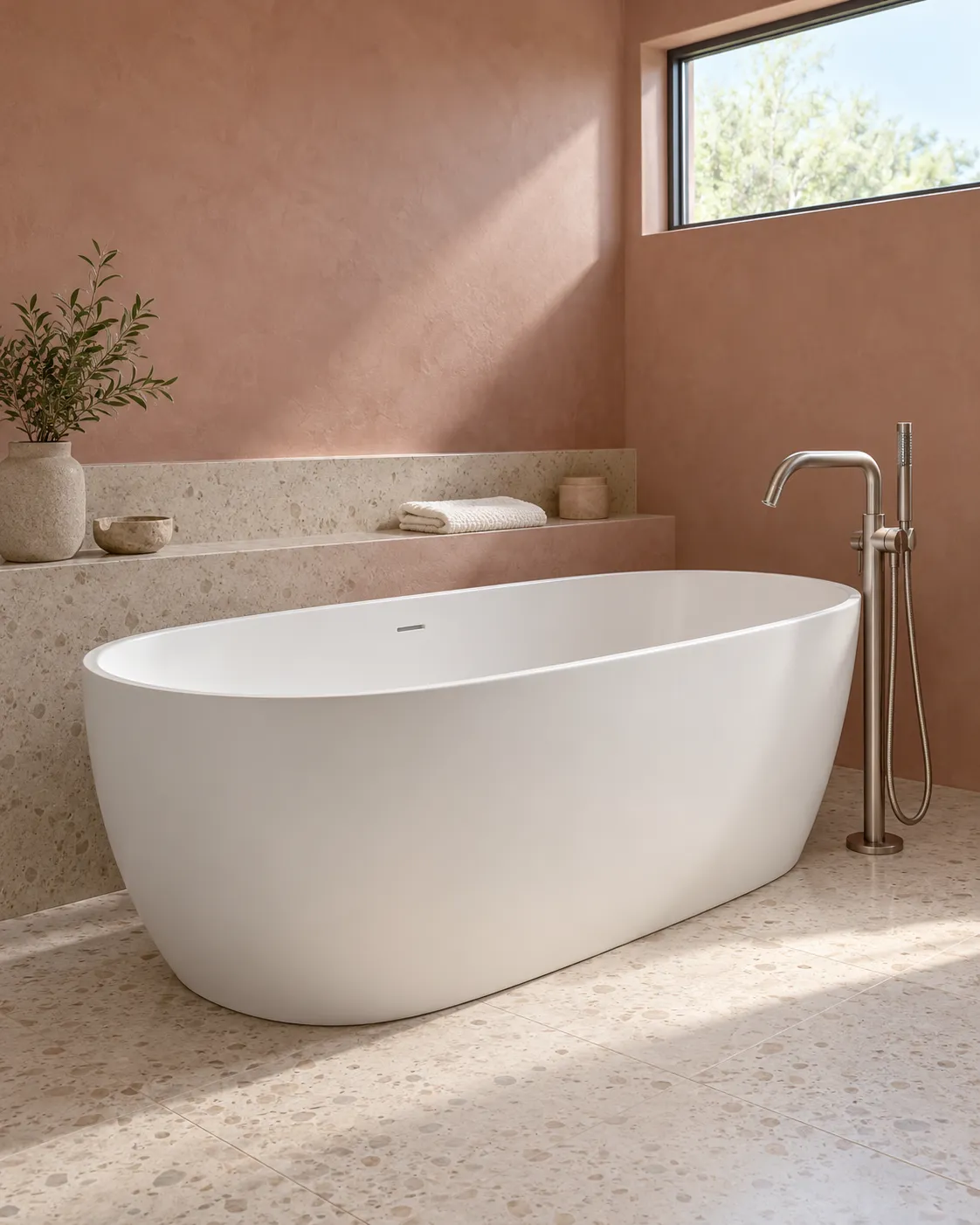
The tub comes out before the new one goes in, and that is the part people underestimate. The work runs: disconnect the drain and overflow, cut or lift the old tub, inspect the framing, the subfloor and the trap, replace any soft wood, set the new tub level on a mortar bed or a manufacturer's base, connect the drain and overflow, then close the walls, waterproof and tile, set the valve trim and the spout, and seal. If the old tub sits under a tile surround, the bottom row of tile usually comes off with it. A tub with a shower head above it gets a full wet wall treatment. A cast iron tub is heavy and usually gets cut into pieces to come out, so how the old one leaves the house is part of the scope.
02Costs
What does a bathtub replacement cost in Phoenix?
Published ranges from a national cost guide put a bathtub replacement at $2,104 to $9,757. The low end is a standard alcove tub swapped into an opening that needs no plumbing or tile work. The high end can include a larger or specialty tub, a new valve, a tiled surround and the repair that comes with opening a wall. Published market ranges, not a quote: the final price is set after an on-site assessment. Tile, the surround and the valve are usually outside the tub price itself, so 2 numbers compare only when they cover the same lines. When the valve and surround are in the same scope, the total moves toward the top of the range, which is why a bid should separate the tub from the finish work.
03Permits
Does a bathtub replacement need a permit in Phoenix?
Sometimes, and it depends on what moves. The City of Phoenix lists moving or adding sinks, toilets and tubs as permit work and replacing existing fixtures as work that does not need one (City of Phoenix Residential Projects (opens in a new tab)). The City of Phoenix Planning and Development reviews residential remodel permits, and minor work may be reviewed over the counter while a larger scope goes to plan review (City of Phoenix, additions and remodels (opens in a new tab)). A residential remodel submittal includes 2 sets of building plans. A straight swap in the same spot may be treated as a repair. Ask the permit desk with the scope in hand, and get the answer before the old tub is cut. The rough plumbing inspection covers the drain and the overflow connection, and it happens before the wall closes.
04Bathtubs
Can a new tub go in without removing the tile?
Sometimes, and it depends on the tub type. An alcove tub has a tiling flange that sits behind the wall finish, so a like for like swap usually means removing the bottom row of tile or cutting the old tub into pieces to lift it out. A drop-in tub sits in a deck and can sometimes be lifted out from above if the opening matches the new tub. A tub liner is the option that avoids demolition, and it covers the old tub rather than replacing it. A liner is thinner and it does not fix a soft floor or a bad drain, so check what is under the tub first. Measure the new tub against the opening before you buy it, not after it is in the hallway.
05Bathtubs
What is the difference between an alcove, a drop-in and a freestanding tub?
An alcove tub fits between 3 walls and usually carries a shower above it. It is a common tub in a hall bath and often the least expensive to replace. A drop-in tub sits in a built deck, so the deck and the surround have to be built or rebuilt around it. A freestanding tub stands on its own and needs a floor mounted or wall mounted filler, a drain in the right place and enough room to clean around it. Each one changes the rough plumbing. Pick the tub before the rough-in, not after. A tub with a shower above it needs a valve that serves both, and the spout has to clear the tub rim. A freestanding filler adds a supply line and a spot in the floor.
06Bathtubs
What do you find when the old tub comes out?
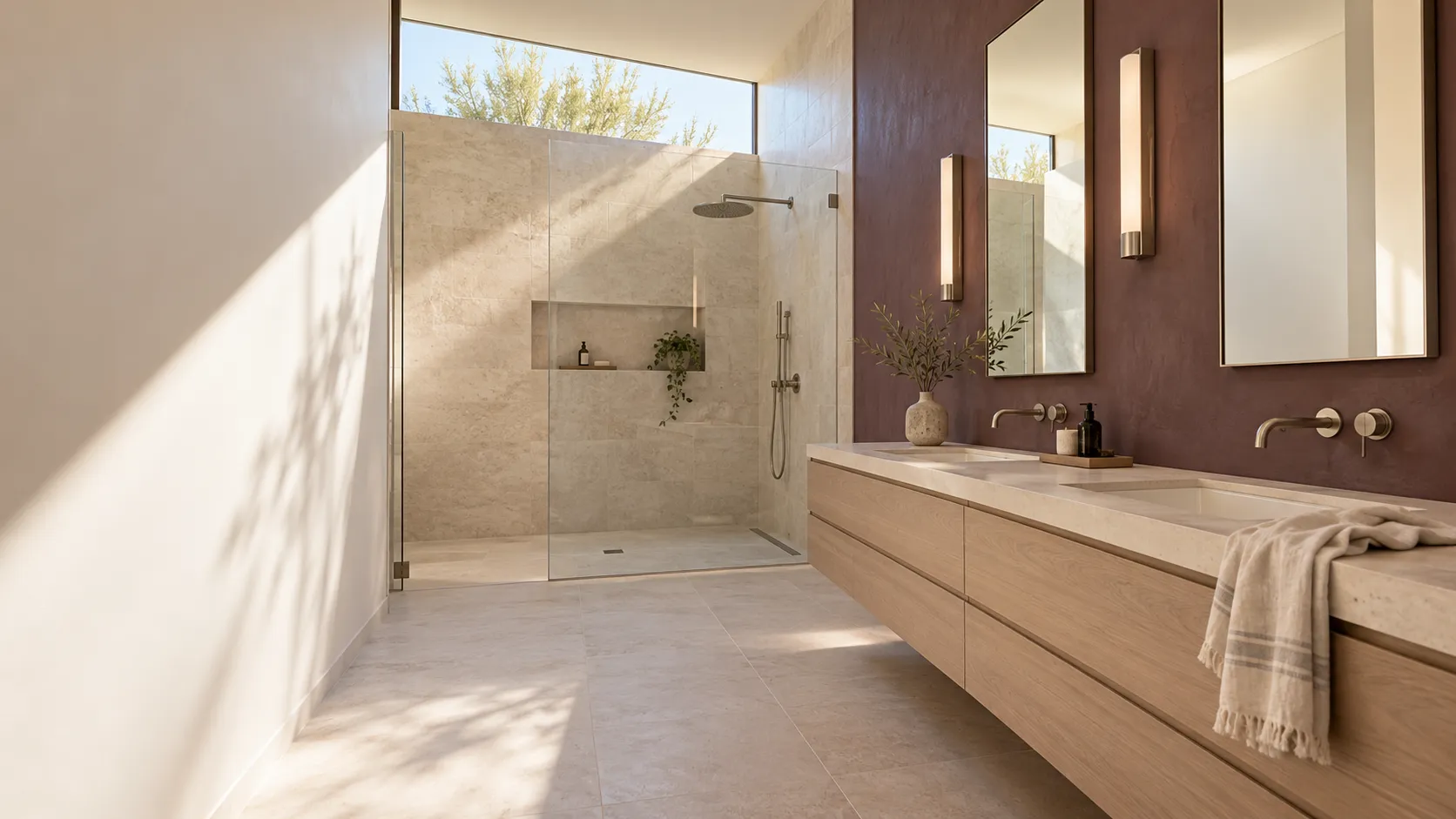
Often one of 4 things: a soft subfloor at the drain end, a trap that has been leaking slowly for years, framing that was never blocked for a grab bar, or a surround installed over drywall with no waterproof layer. None of it is visible from the room. That is why a tub replacement needs a contingency in the budget. A small framing repair and a new section of subfloor is normal. A rotted joist or a drain that has to be rerouted is not, and it changes the schedule. A slow leak at the overflow is easy to miss from above, and it is often the least costly of these to fix. Opening the floor and photographing it shows the damage before the repair.
07Bathtubs
What happens to the tub surround and the wall?
The surround comes off with the tub in most cases, and the wall behind it gets rebuilt. That means backer board or a foam board with a waterproof membrane up past the shower head if there is a shower, and a consistent substrate for tile. Drywall above a tub is common in older houses and it does not belong in a wet zone. This is also the moment for a niche, a grab bar with proper blocking, and a new valve. Doing the wall once, with the tub out, costs less than opening it again later. If the existing tile is sound and only the tub changes, the bottom row still comes off. Keep a spare box of the original tile if you have one, or plan a new surround.
08Showers
Can I replace a tub with a shower instead?
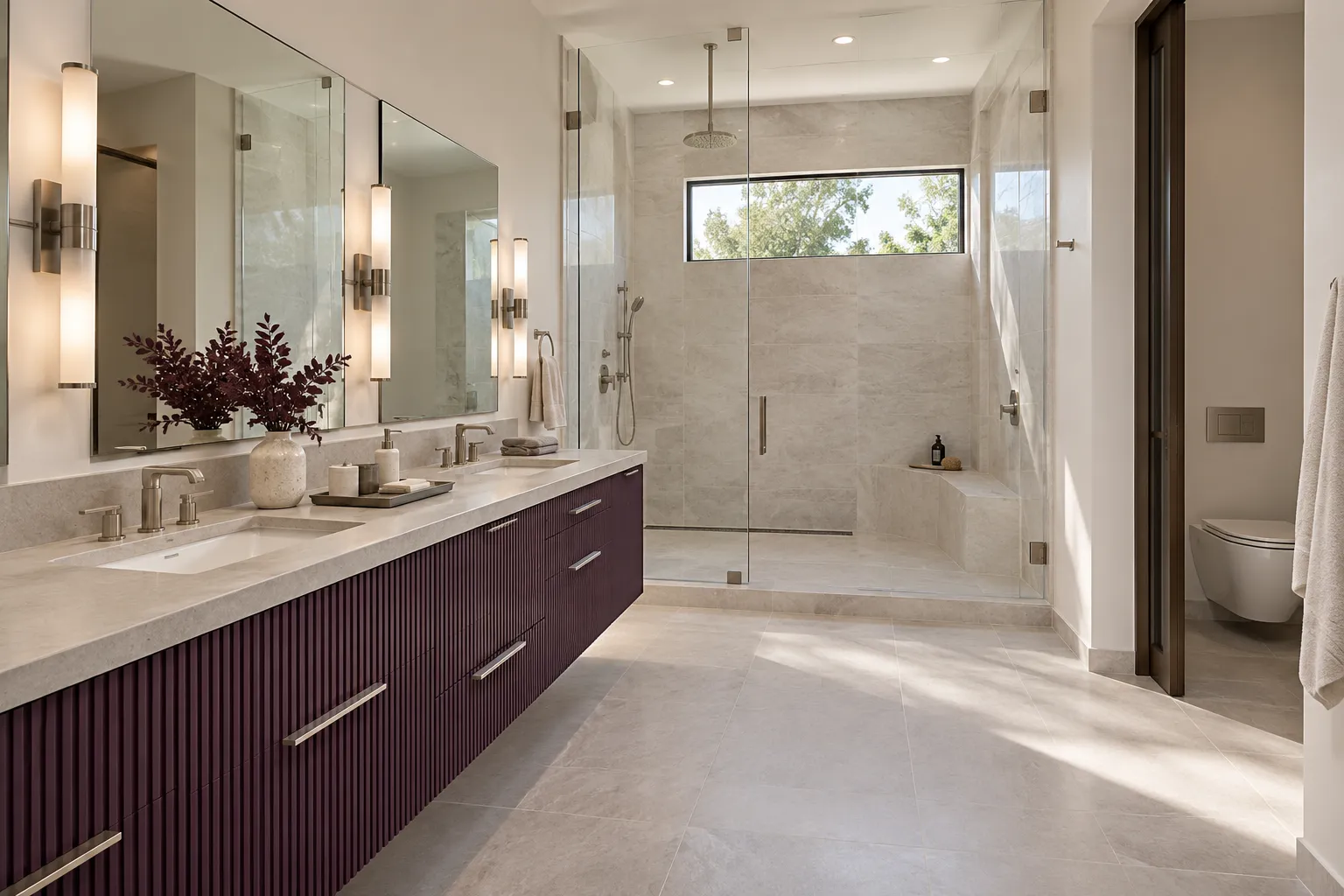
A tub can be replaced with a shower, and it is often the better use of the space. A tub to shower conversion keeps the alcove, changes the drain to a shower drain and builds a pan with a membrane. It removes the step over the tub wall, which matters as a household ages. The trade is resale: if this is the only tub in the house, removing it can narrow the buyer pool. Look at the other bathrooms before you decide. A tub with a shower over it can be the safer resale choice, and a shower alone is the easier daily choice. The drain, the pan and the valve all change, so price it as a conversion rather than a swap. Price both versions before the tub comes out.
09Bathtubs
What should I check before the new tub is set?
Check 5 things: the opening dimensions against the tub cut sheet, the drain rough-in distance from the wall, the floor level, the framing at the rim and the valve depth for the trim. A tub set out of level will not drain fully, and a tub set without a mortar bed under the base will flex and crack at the seam over time. Protect the tub with a drop cloth and a piece of plywood while the tile work finishes. The last thing you want is a chip in a brand new tub from a trowel. Check the tub for level in both directions before the drain is connected, and check the overflow gasket while you can still reach it. A dry fit costs minutes and saves a rebuild.
Bath Studio
Build a bathroom. Change it in one tap.
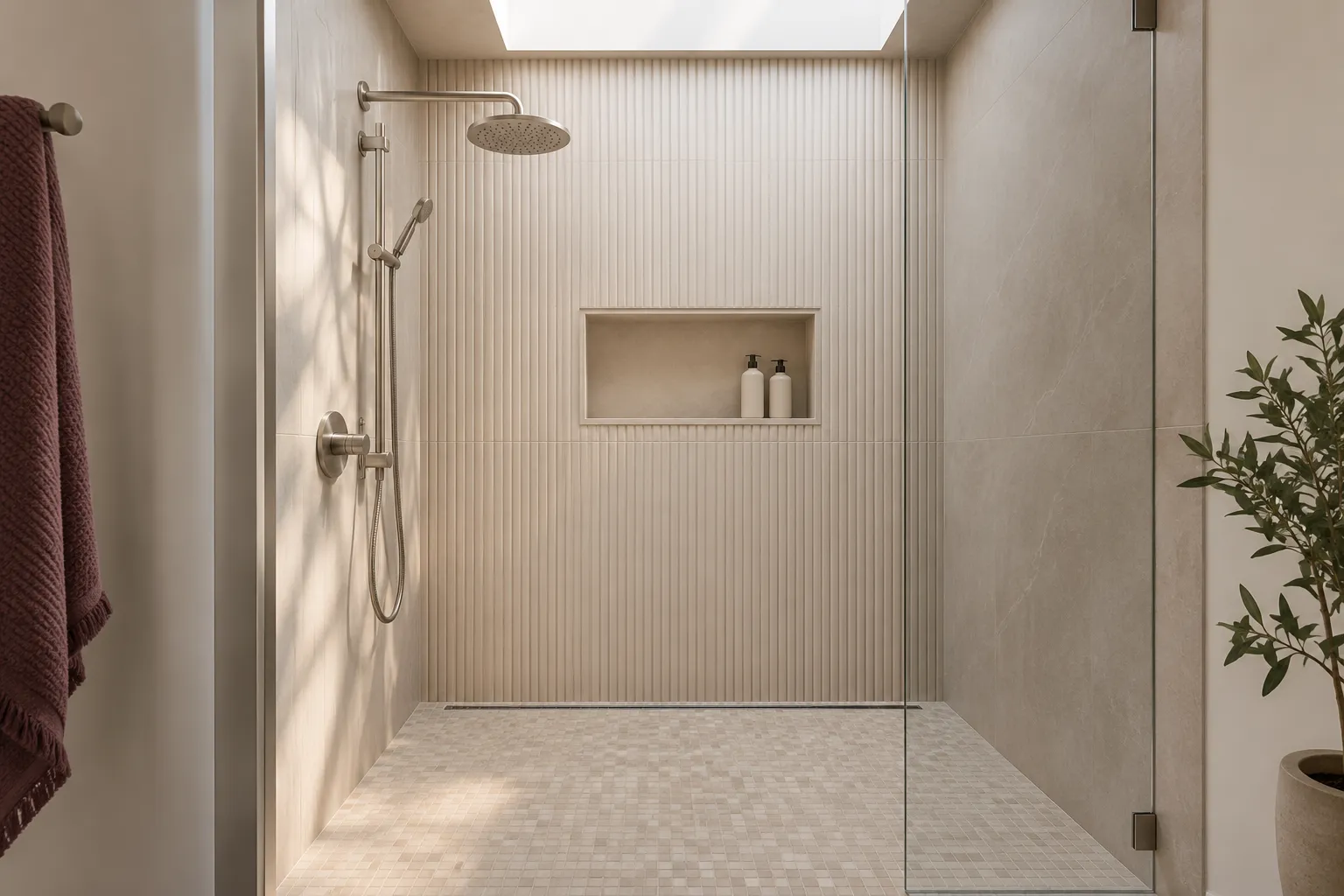
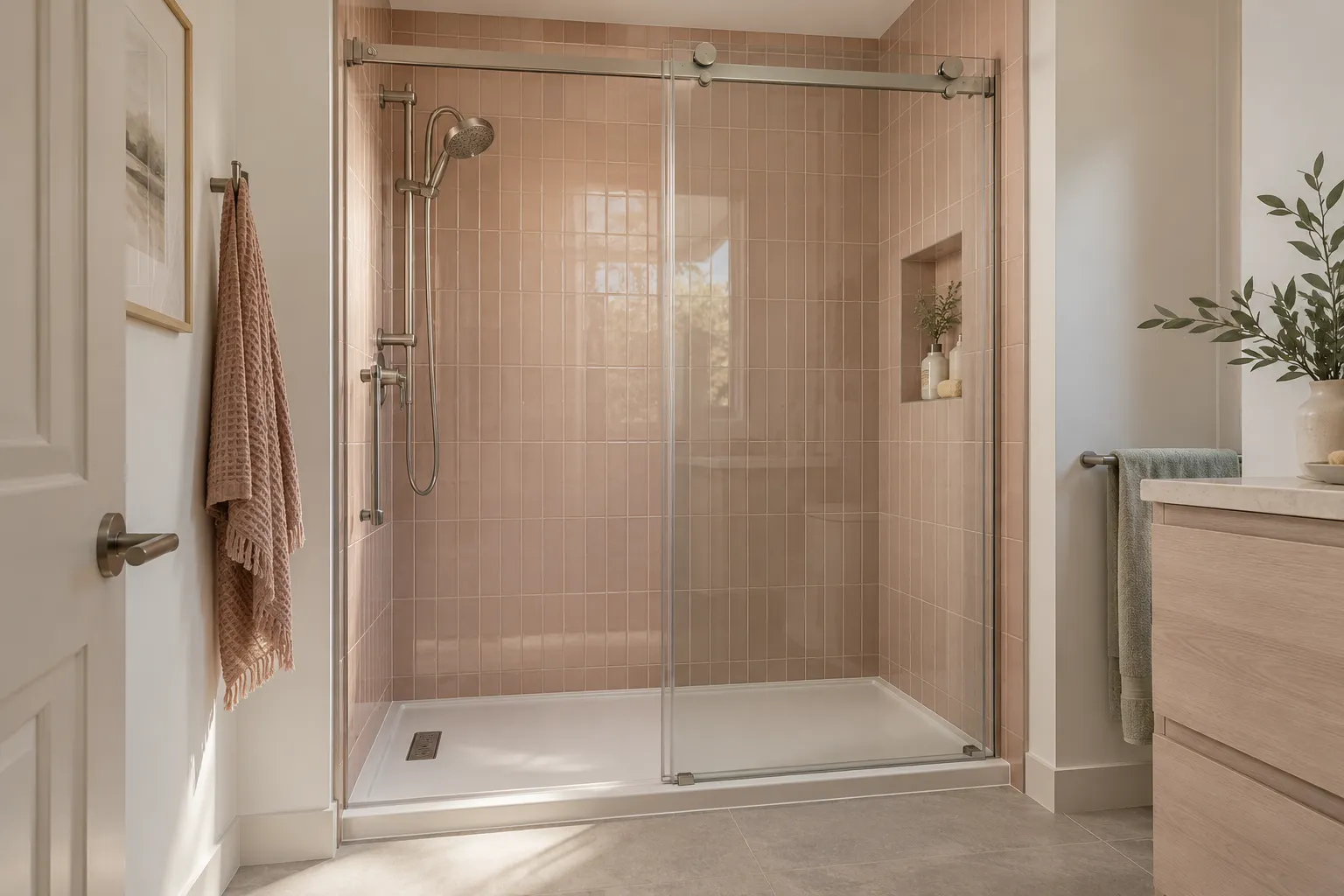
A design preview, not a price. Pick a wall color, tile, floor, bath or shower, vanity and light, start from a look or shuffle, then send your picks with your project.
Start from a look
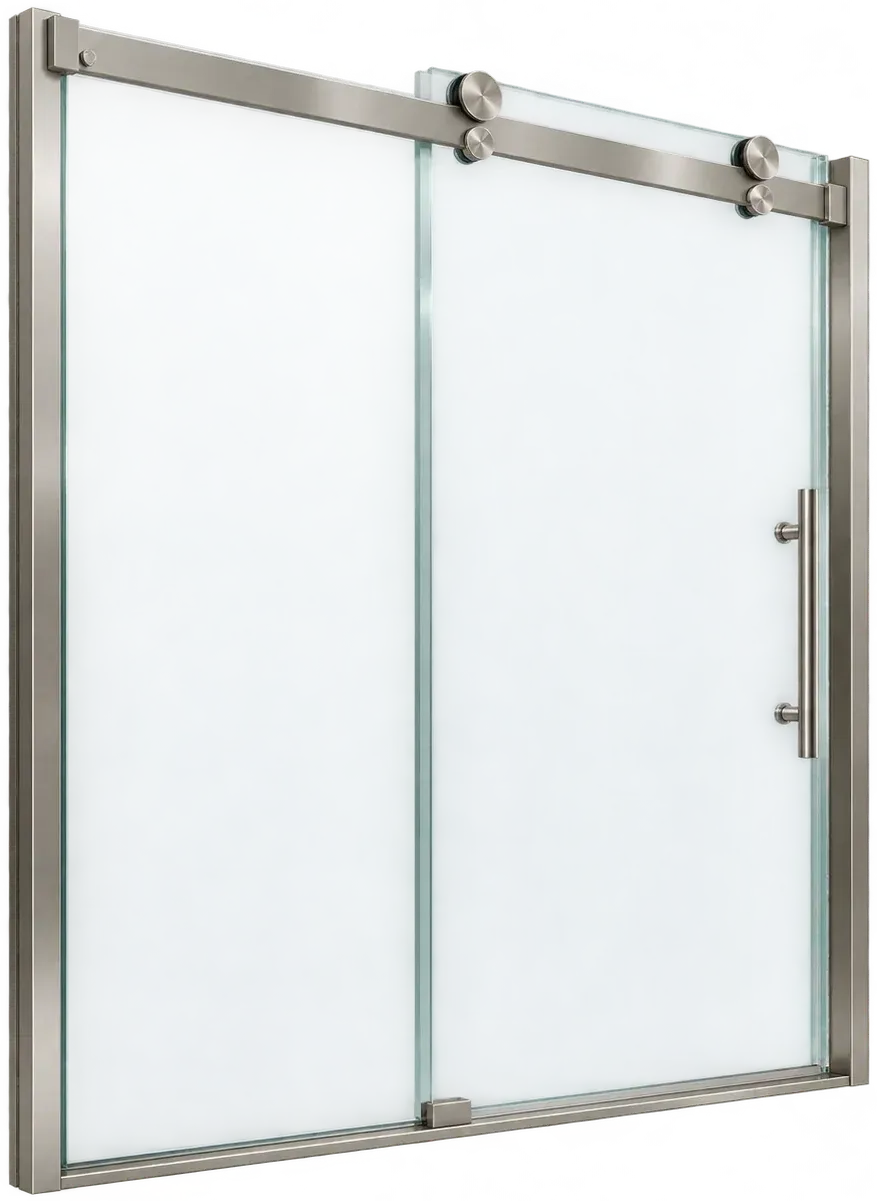
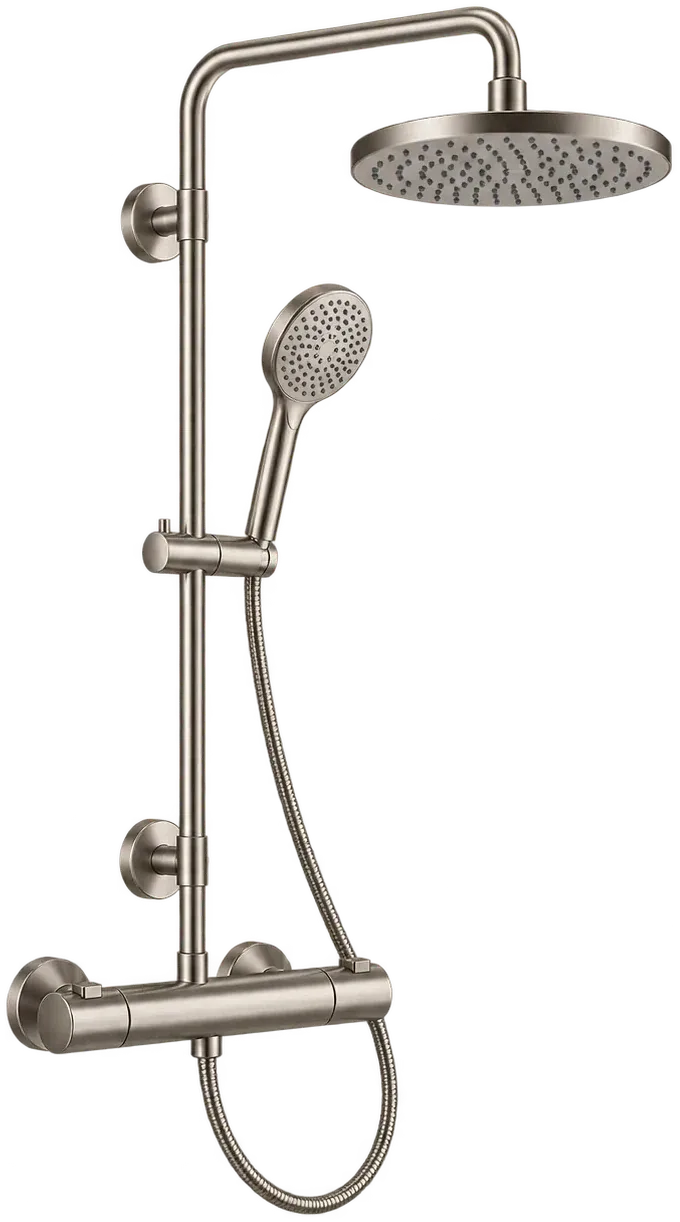
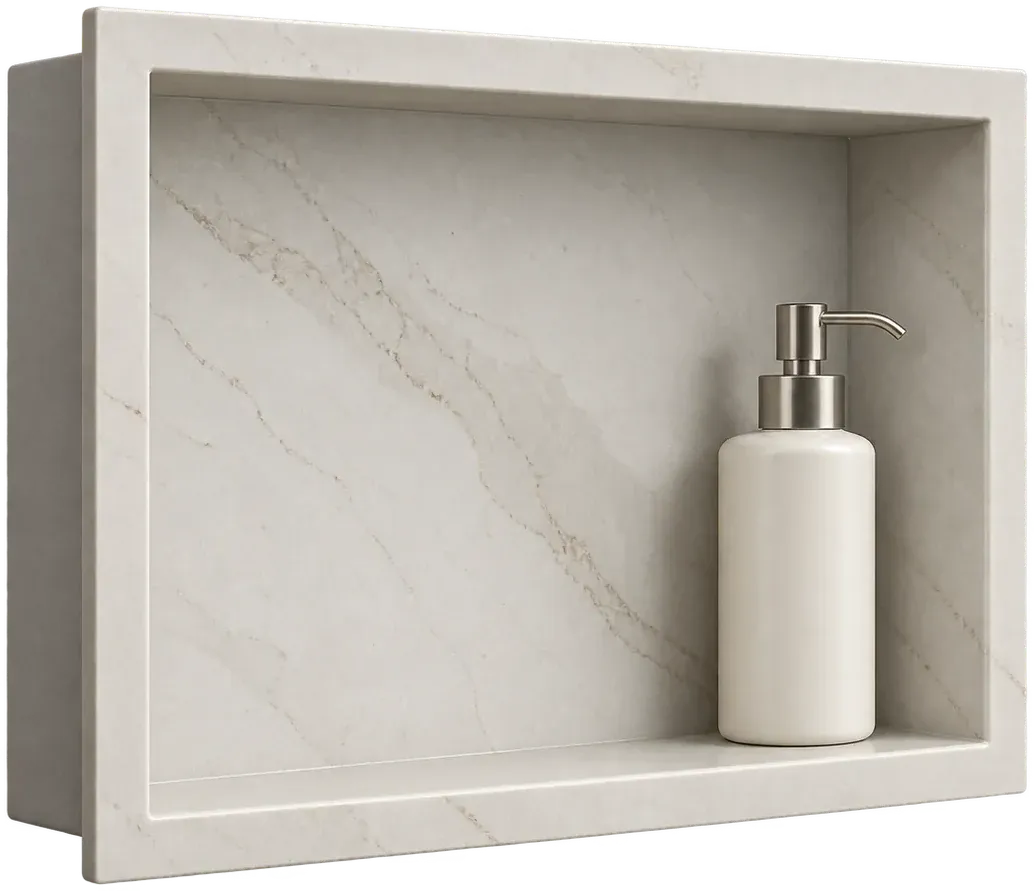
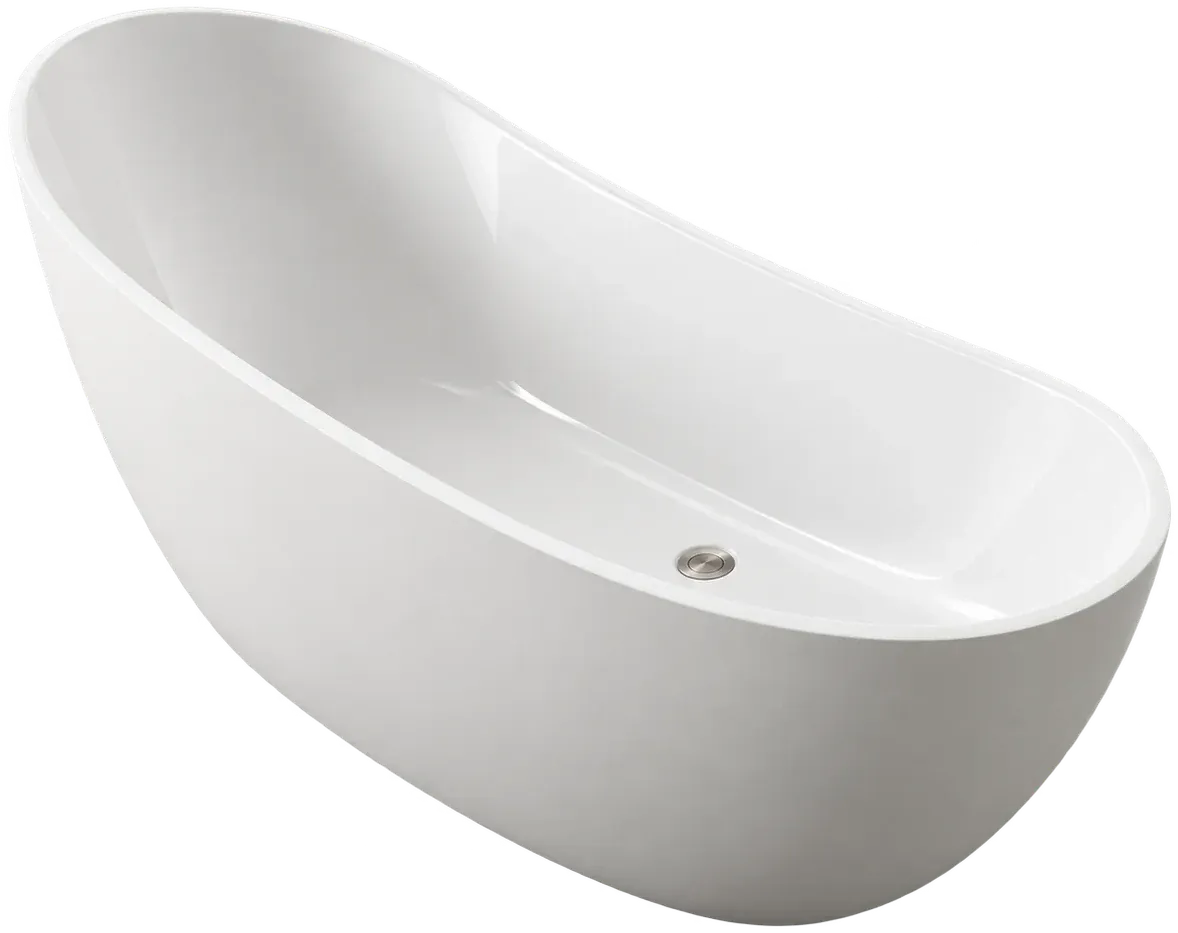
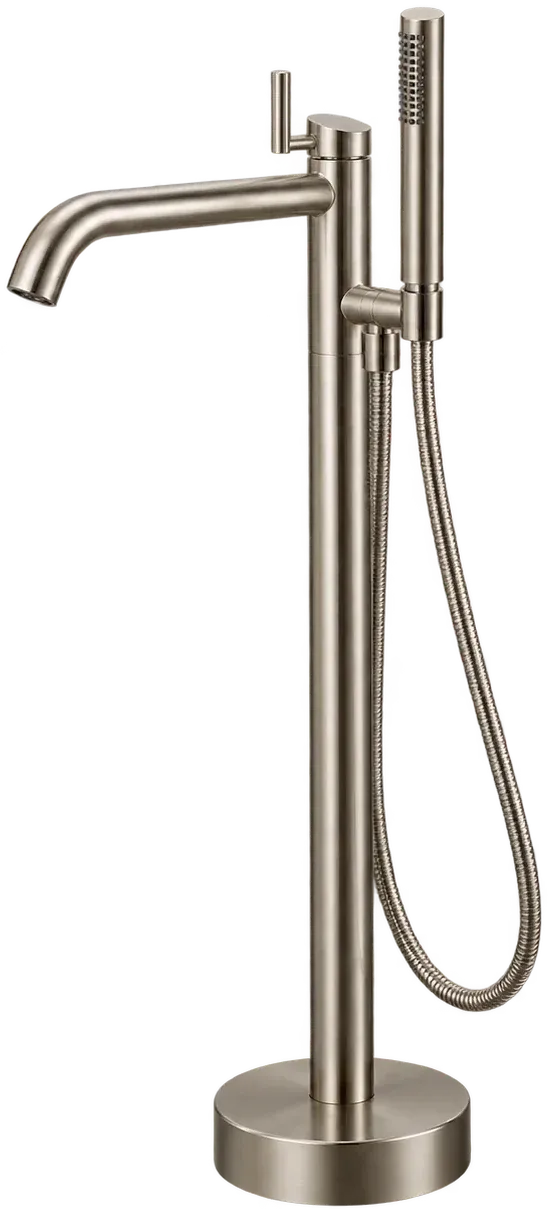
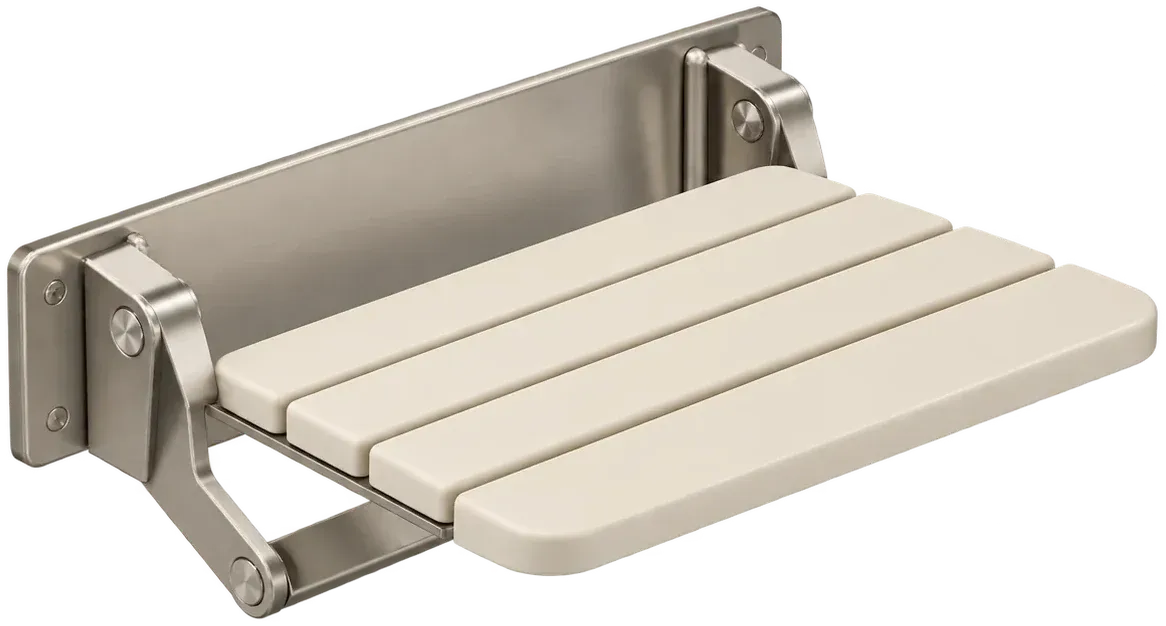
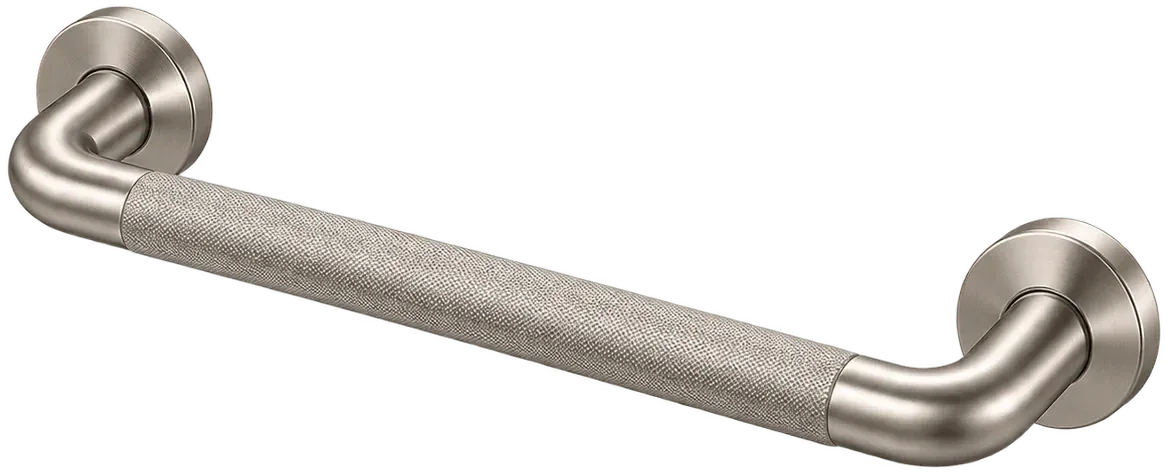
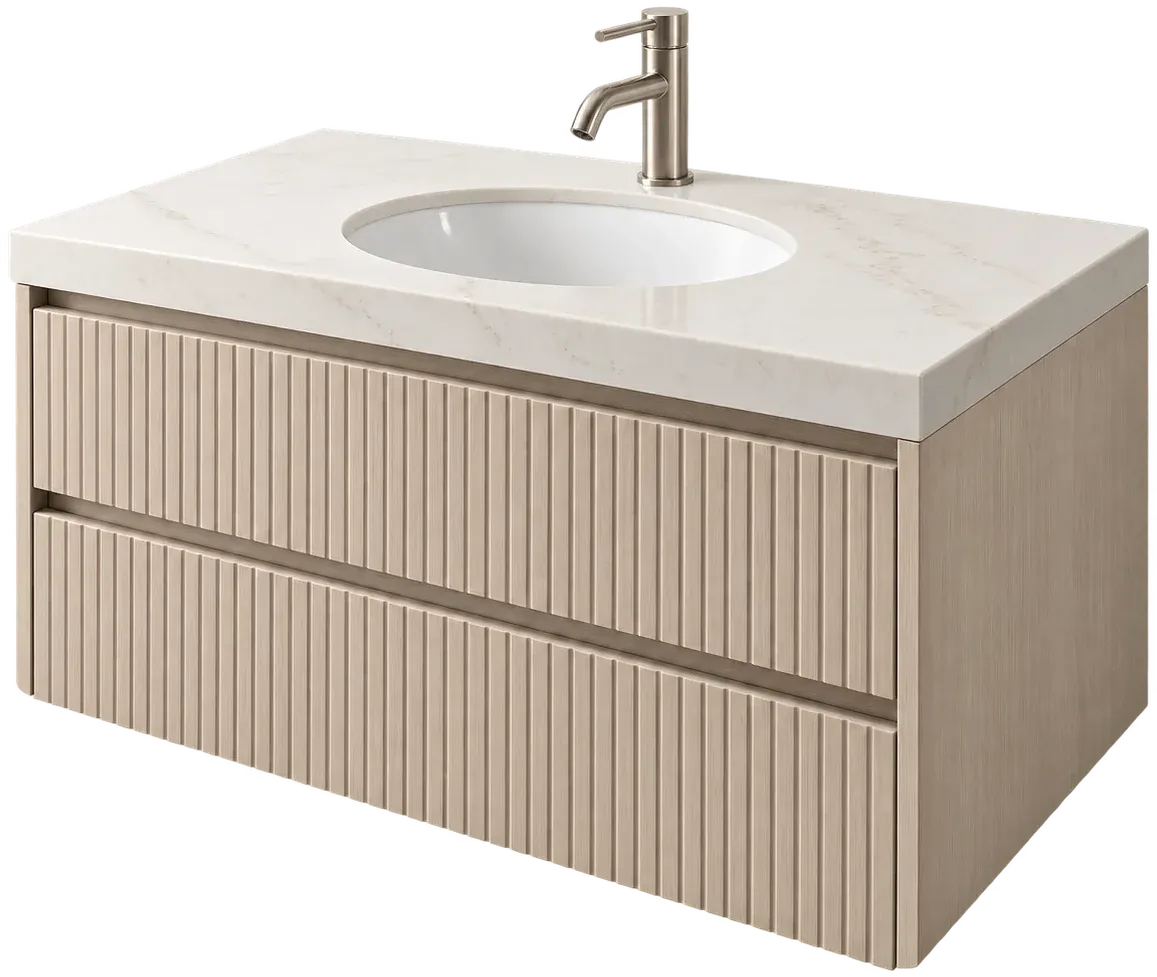
Wall color: Ivory mineral · Shower wall tile: Large slab · Floor: Honed stone · Bath or shower: Glass shower · Vanity: Vanity and tower · Light: Morning sun
01Wall colorIvory mineral
02Shower wall tileLarge slab
03FloorHoned stone
04Bath or showerGlass shower
05VanityVanity and tower
06LightMorning sun
104 questions
Questions people ask
Still have a question? Call (747) 243-2089 and describe the bathroom.
01Can I use the new tub the same day it is installed?
Not if there is tile and sealant around it. The drain connection can be tested the day it is made, but the surround, the grout and the sealant need time to cure before the tub gets regular use. The drain and the overflow get tested before the wall is closed, and the tub and shower are ready after the cure time.
02Do I need a new valve when I replace the tub?
Not always, but it is the right time to think about it. The wall is open, the old valve is accessible and a new pressure balancing valve is a modest addition compared with opening the same wall later. If the old valve is a 2 handle type with no anti scald protection, replacing it is worth doing.
03Is a cast iron tub worth keeping?
A cast iron tub holds heat and it is quiet, and if the enamel is sound it can outlast a new acrylic tub. The problem is weight and the drain. Lifting one out of an alcove takes care, and the floor has to carry it. If the enamel is worn through to the iron, refinishing is a short term fix.
04Can a freestanding tub replace an alcove tub?
Rarely in the same footprint. A freestanding tub needs clearance on all sides, a filler within reach and a drain that lines up with the tub's outlet. Making the switch means closing the alcove, moving the drain and usually reworking the floor.
11Keep reading
Related
- Tub to shower conversion: When the tub goes and a shower takes its place.
- Shower remodeling: Pans, membranes, glass and walk-in details.
- Full bathroom remodeling: How a tub swap fits a whole room scope.
- Bathroom remodel cost in Phoenix: Published ranges and the lines that move them.
- All remodeling services: Every scope on one page.
- Contact: Describe the tub and ask a question.