Tub to Shower Conversion · Chandler
Tub to Shower Conversion in Chandler, AZ
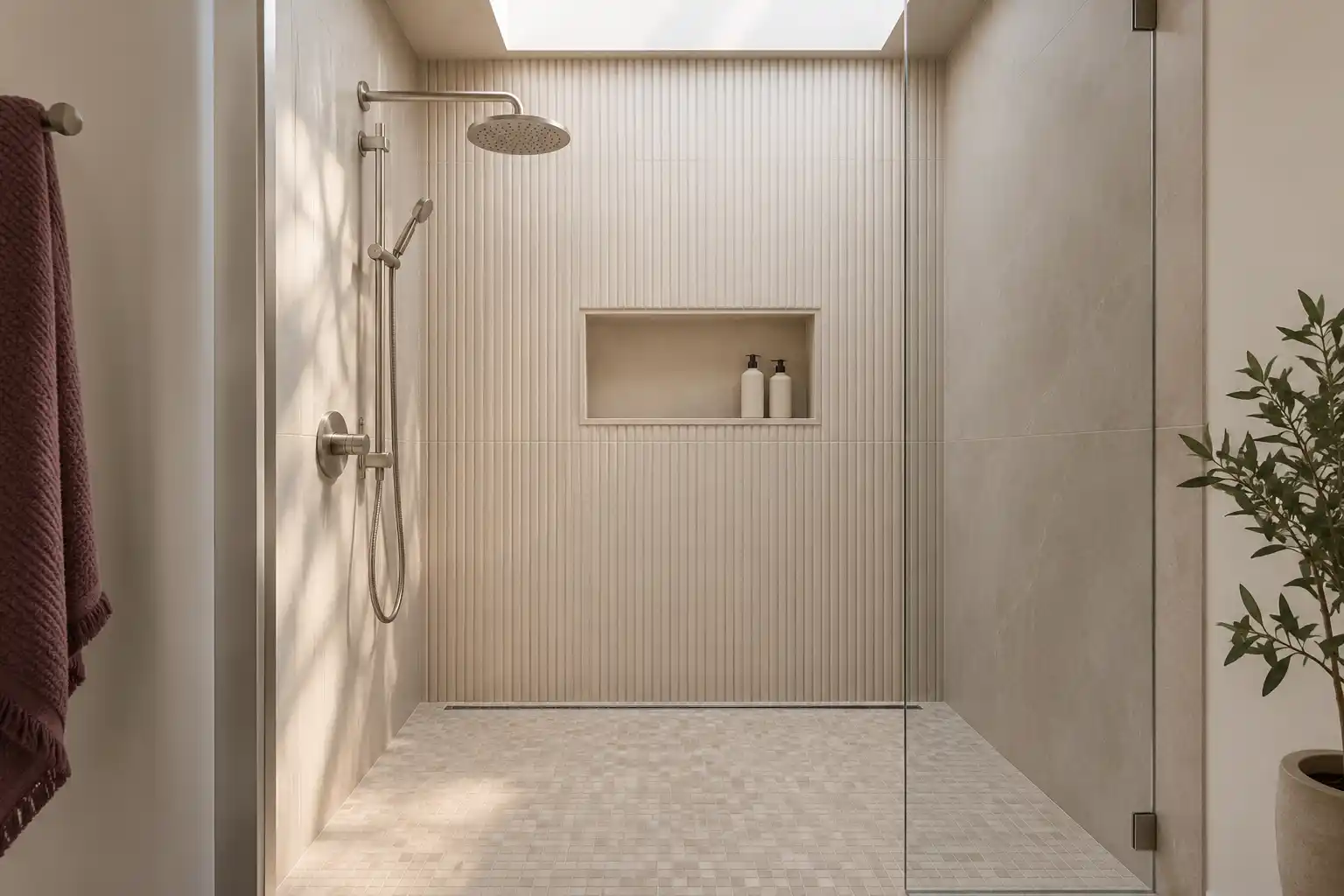
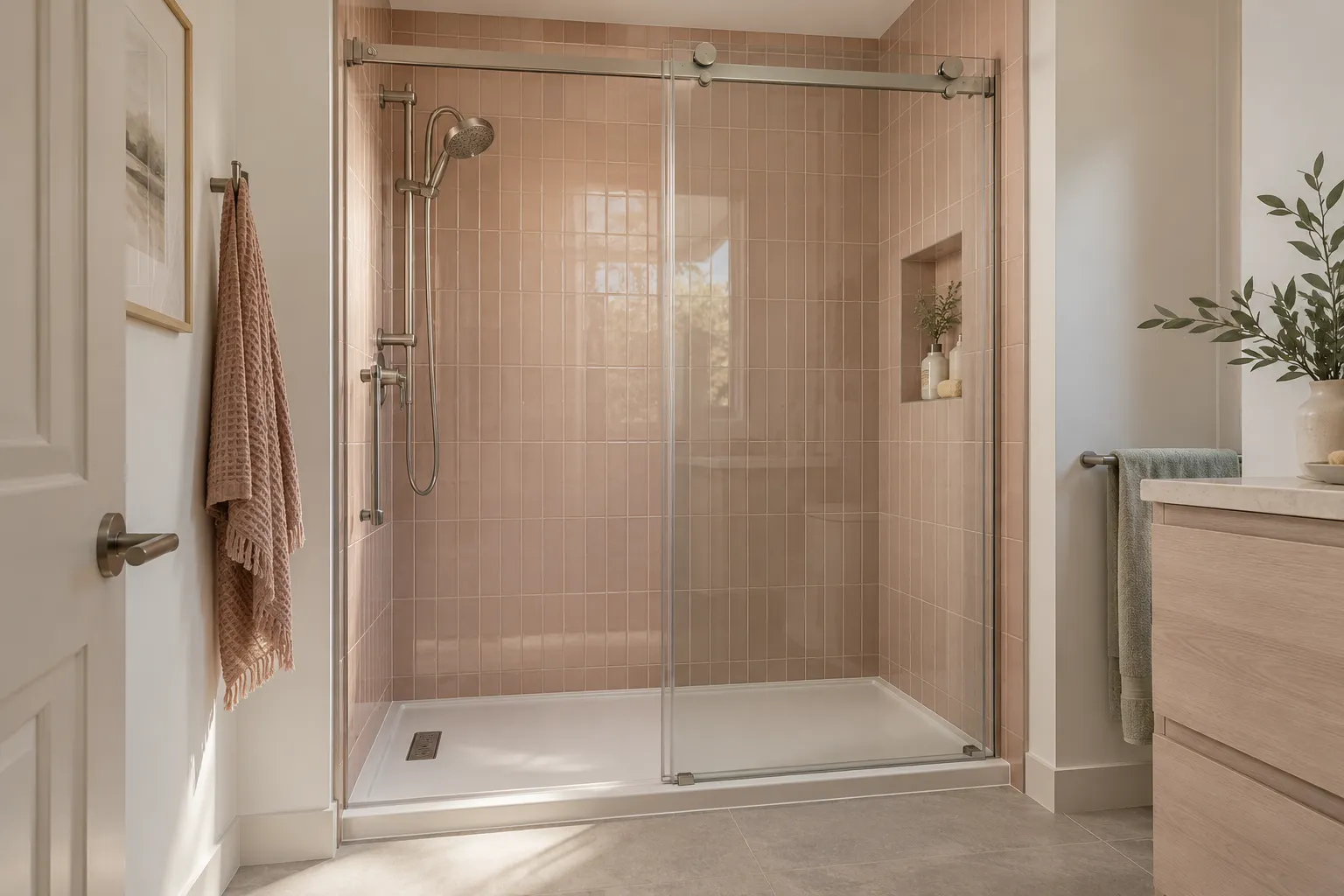
A tub to shower conversion in Chandler runs on sequence: the drain and valve come first, the pan and waterproofing next, tile after that, and glass last. This page walks that order, then covers the permit, the price bands and what local water does to a new shower.
Last updated
01Timeline
How long does a Chandler conversion take?
The order of work matters more than the calendar. First comes the measure and the written scope, then the permit, then demolition. Plumbing rough-in and the pan follow, and the rough-in inspection has to pass before anything closes. Waterproofing goes on next, then a flood test, then tile. Grout and sealant need cure time before the glass is measured, which is why a template visit happens after tile and the panel arrives later. A simple swap with the drain in place moves through those steps without waiting on concrete. A moved drain adds saw cutting, patch and cure to the front of the job. The flood test is the step that catches a pan leak before tile hides it, and it is worth the wait.
02Conversions
Which Chandler bathrooms convert most easily?
A hall bath with a standard 60 inch alcove and the drain at one end is the easy case. Chandler has older central neighborhoods and newer growth, and the 2 produce different rooms. In the older stock, the bath is often compact with one window and a vanity tight to the tub. In newer subdivisions, the primary bath may already have a separate tub and shower, so the conversion is about replacing a tub nobody uses rather than gaining a shower. Both are workable. The hall bath is usually the cleaner job, because the plumbing wall is short and the fixtures are simple. A primary bath with a separate tub needs a different answer, since the tub is not in the shower alcove at all. If the room has a window in the shower wall, plan the waterproofing detail before you choose tile.
03Permits
What does Chandler require for the permit?
Chandler reviews plans, issues permits and inspects through Building Safety, and the city publishes a homeowner permit manual with a remodeling section (City of Chandler, building safety (opens in a new tab)). A conversion that moves the drain or changes the valve is permitted work, so start there rather than at the tile store. The permit sets 2 inspection points: rough-in, with the pan and drain open, and final, after tile and glass. Read the remodeling section of the manual before you draw the plan, because it lists what the reviewer expects to see. Ask who files the permit and who walks the inspector through. Keep the approved plan and the inspection card in the room so the inspector can find them.
04Costs
What does a conversion cost in Chandler?
One national cost guide puts most conversions between $1,200 and $15,000, with a typical job near $3,000. Where a Chandler job lands inside that band comes down to 3 lines. The drain either stays at the tub end or gets cut into the slab. The walls can be tile over waterproofed board or a prefabricated surround. The opening can take a framed door, a fixed panel or no glass. Published market ranges, not a quote: the final price is set after an on-site assessment. Ask for the glass line separately, because it is the item most often left as an allowance.
05Showers
What does Chandler water do to a new shower?
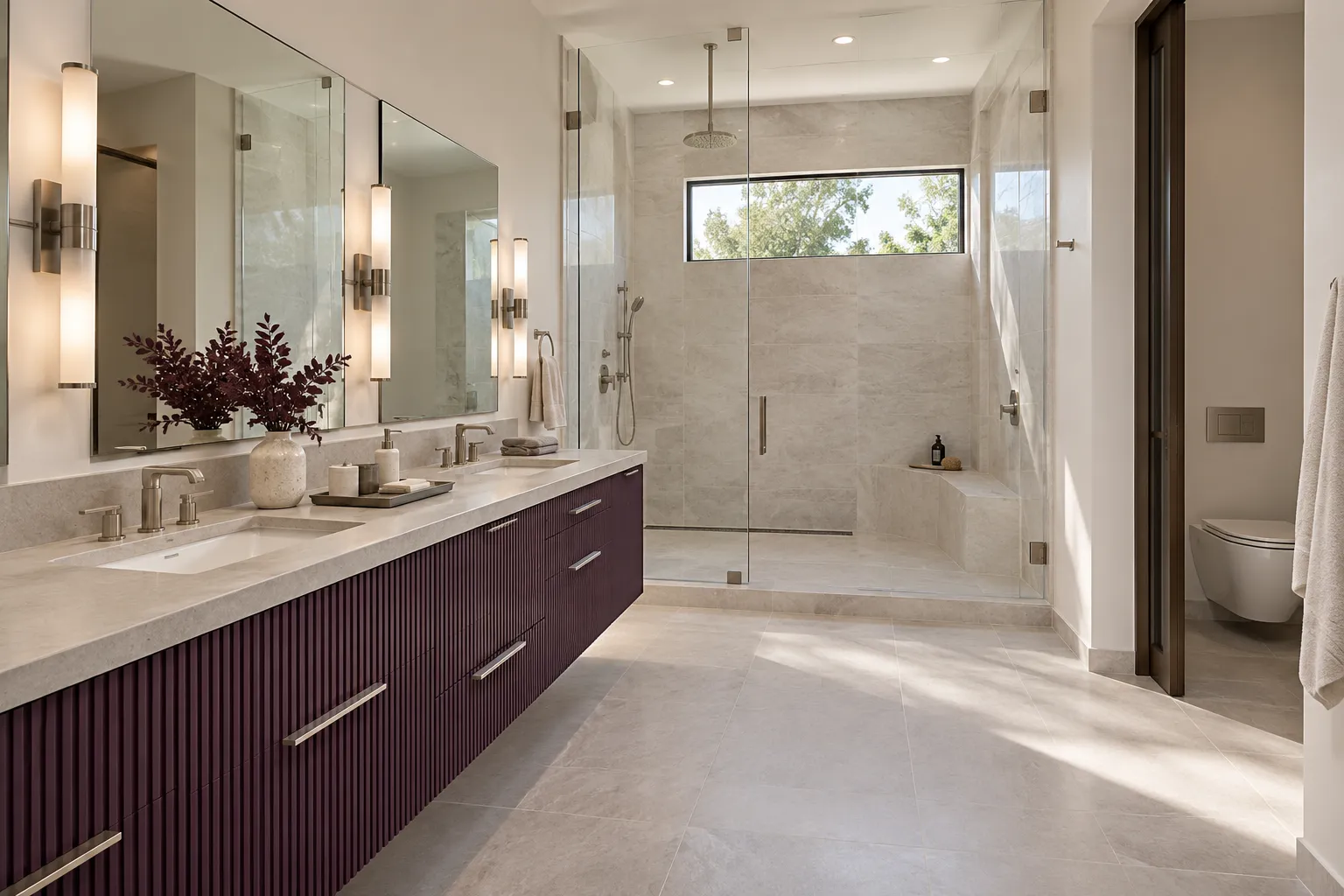
Chandler water measures 173 to 288 mg/L of hardness, or 10.1 to 16.8 grains per gallon (City of Chandler, 2025 water quality report (opens in a new tab)). That range is wide enough that 2 showers in the same city can look different after a year. The minerals leave a pale film on glass and a chalky line where water sits. A squeegee on the door and a dry towel on the bench do most of the work. For the tile, a medium grout color and a matte finish hide the film that white grout and polished porcelain show. If the house has a softener, put it on the cold line before the rough-in. Hardness can differ from one street to the next, so test rather than guess. The result tells you whether a softener is worth the plumbing.
Bath Studio
Build a bathroom. Change it in one tap.
A design preview, not a price. Pick a wall color, tile, floor, bath or shower, vanity and light, start from a look or shuffle, then send your picks with your project.
Start from a look
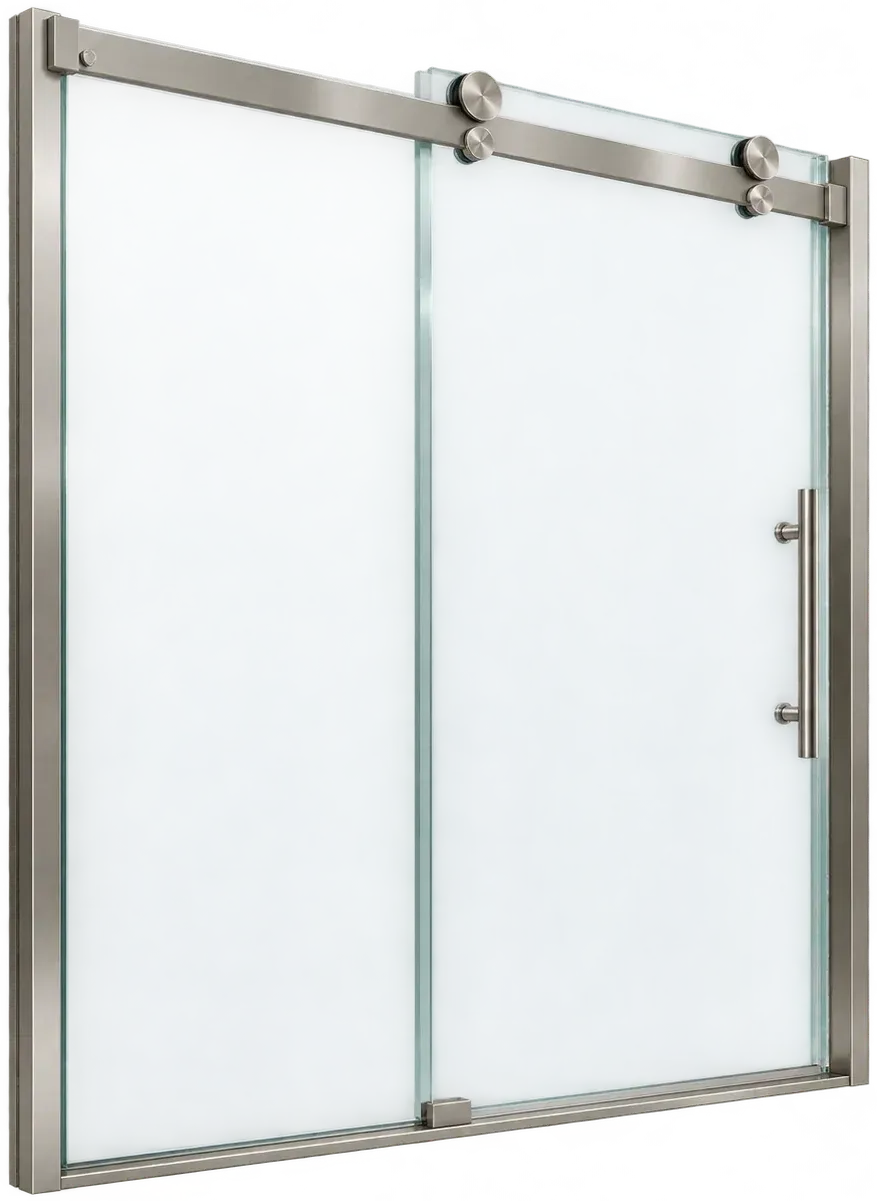
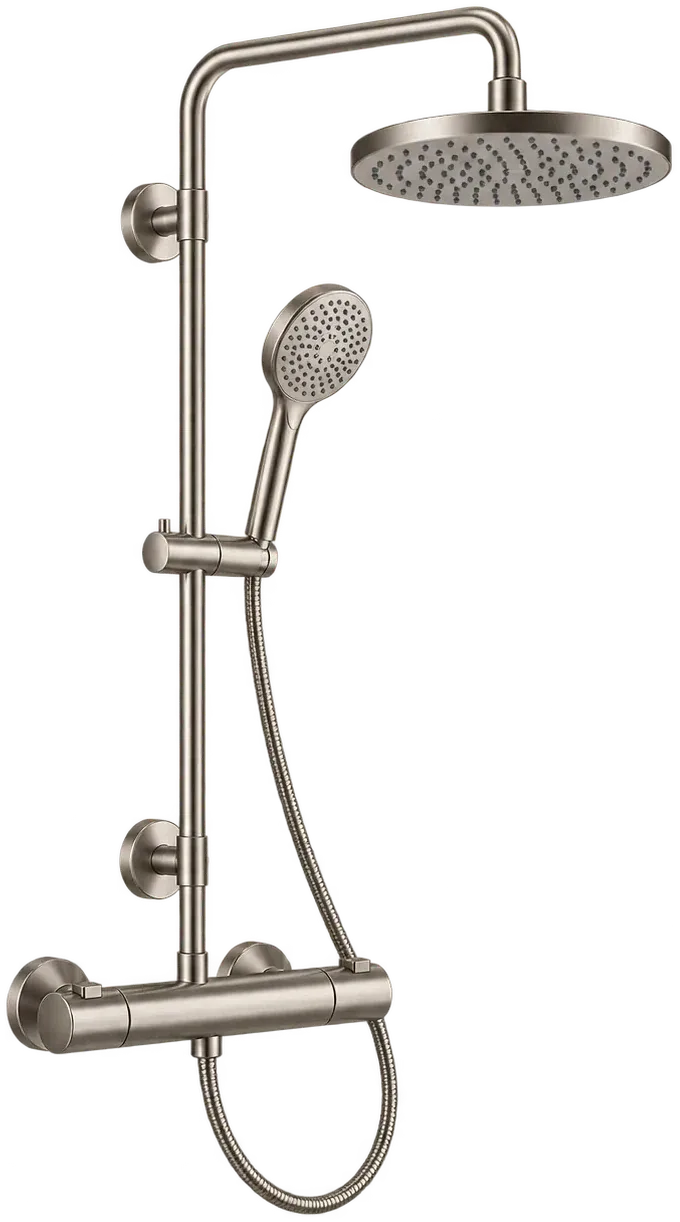
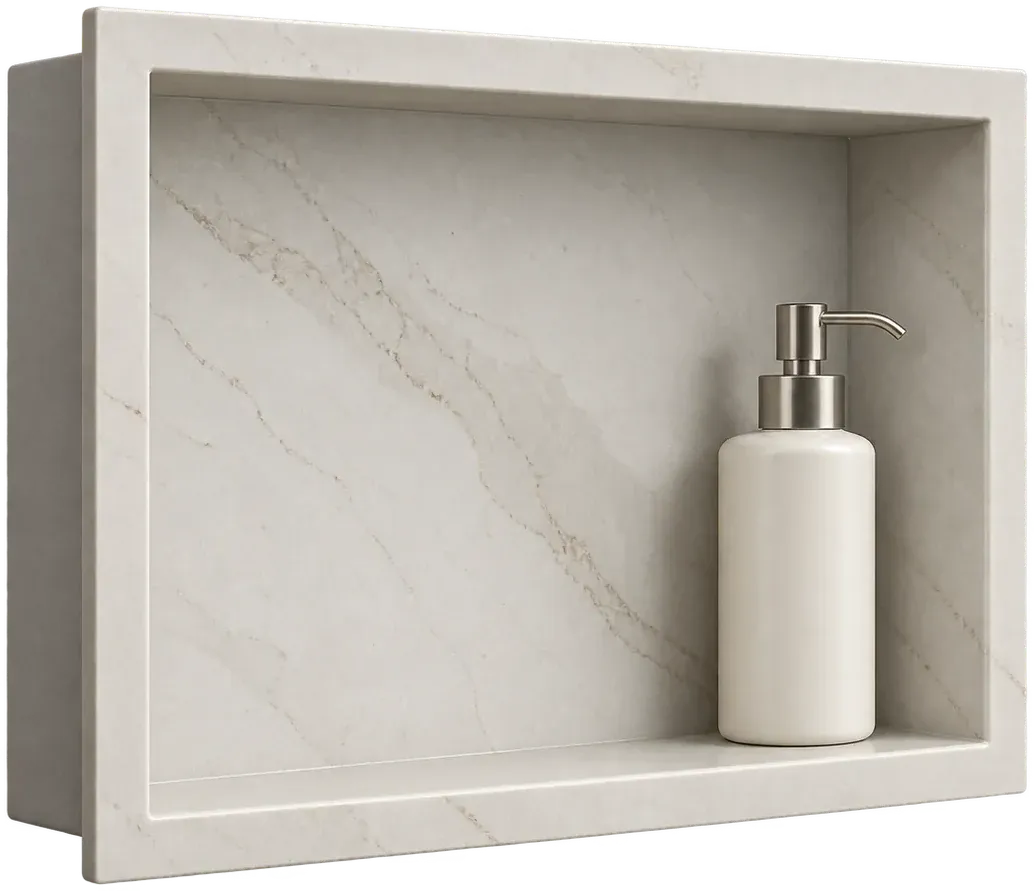
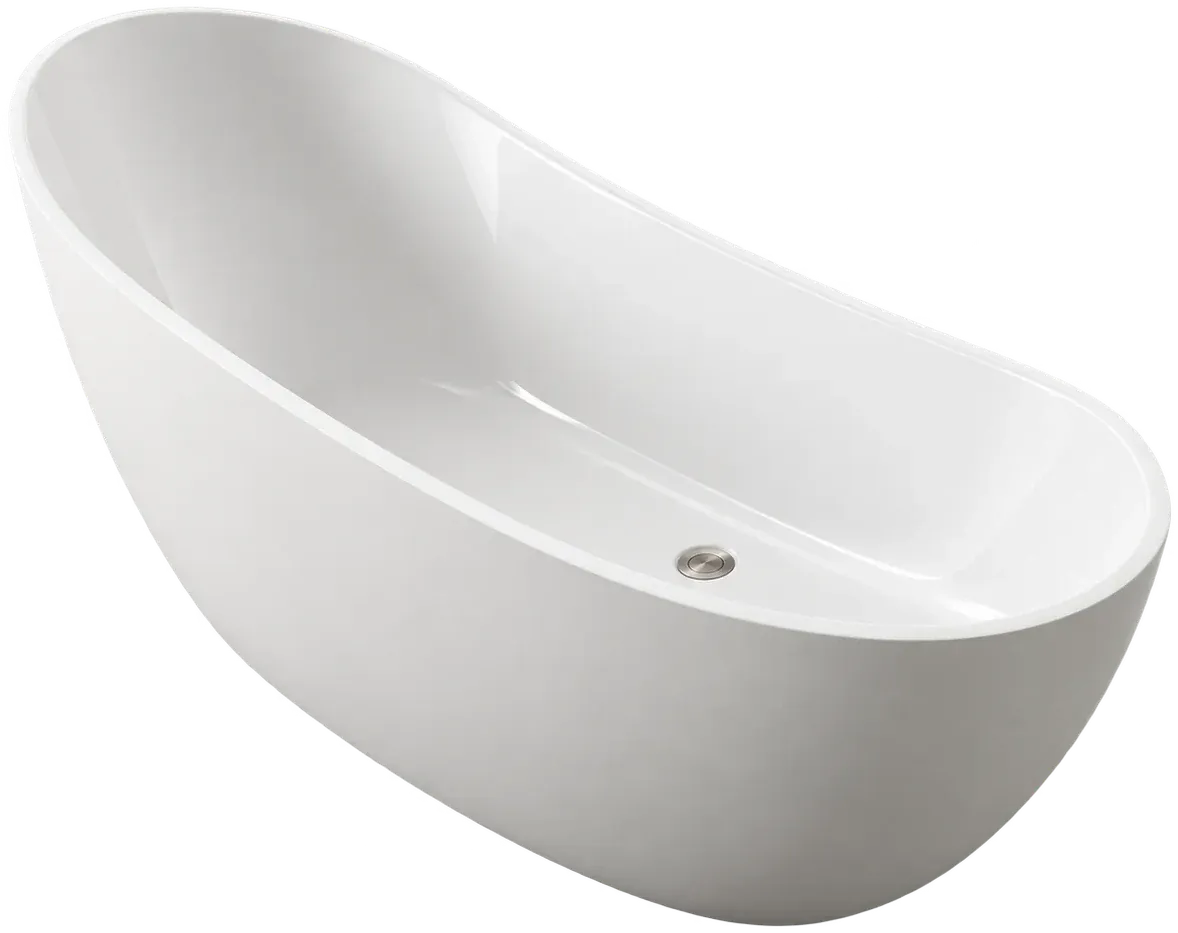

Wall color: Ivory mineral · Shower wall tile: Large slab · Floor: Honed stone · Bath or shower: Glass shower · Vanity: Vanity and tower · Light: Morning sun
01Wall colorIvory mineral
02Shower wall tileLarge slab
03FloorHoned stone
04Bath or showerGlass shower
05VanityVanity and tower
06LightMorning sun
064 questions
Questions people ask
Still have a question? Call (747) 243-2089 and describe the bathroom.
01Does a conversion need a permit in Chandler?
A permit is needed when the drain or valve changes. Chandler Building Safety reviews plans, issues the permit and inspects the work, and the homeowner manual has a remodeling section. Draw the alcove, drain and valve wall on one sheet.
02Can the tub drain stay where it is?
Often, yes. A shower pan can slope to a drain at one end of the alcove, which avoids saw cutting the slab. Keeping the drain also keeps the trap and vent where they were, so the plumbing inspection is simpler.
03What is the smallest tub alcove that works?
A 60 inch alcove is the standard tub length and the easiest to convert, because pans are made to fit it. A 54 inch alcove can work with a custom pan. Measure between the finished walls, not the studs.
04Does tile choice change the price much?
Tile choice changes the price, more through labor than material. Large format panels mean fewer grout lines and fewer cuts, but they need a flatter wall. A simple 12 by 24 inch porcelain tile is the middle path.